

When you're deciding between automatic and manual watch winders, the choice might not jump out right away. Automatic winders offer convenience, while manual ones let you get hands-on with caring for your watch.
To figure out which one fits your lifestyle and watch care style best, let's dive into the seven key differences between these two types of winders.
Automatic winders make your life easier by keeping your watch wound without much effort on your part. On the flip side, manual winders give you a more personal touch in looking after your timepiece. It all comes down to how involved you want to be in maintaining your watch.
Key Takeaways
When it comes to watch winders, you have two main options: automatic and manual.
Automatic winders do the work for you by mimicking wrist movements, making winding efficient and hassle-free. On the other hand, manual winders require you to hand-wind the watch, creating a more hands-on connection with your timepiece.
One advantage of automatic winders is their customizable TPD settings, allowing you to tailor the winding process to your watch's needs. They are also known for being energy-efficient and operating quietly, making them a convenient choice for watch enthusiasts.
In contrast, manual winders offer a deeper personal connection with your watch through the act of manual winding. This hands-on approach can enhance your appreciation for the craftsmanship and mechanics of your timepiece.
Ultimately, the choice between automatic and manual winders comes down to personal preference and the type of experience you seek with your watch.
Understanding Automatic Winders
So, you've got those fancy automatic watches that need some TLC to keep ticking smoothly, right? Well, let's talk about automatic watch winders – these nifty gadgets mimic your wrist's movements to keep your automatic timepieces on point. One cool thing about them is the adjustable turns per day (TPD) settings they offer. This lets you tailor the winding rotation to match your watch's specific needs, ensuring they stay wound up just right.
Unlike manual winders that usually move in one direction, automatic winders can rotate your watches in both directions. This back-and-forth motion helps prevent over-winding and ensures your watches get an even wind. Plus, these automatic winder motors are designed to work quietly, so you won't be bothered by unnecessary noise while they work their magic.
When it comes to power, you can choose between batteries or AC adapters to keep your automatic watch winder running. This flexibility lets you pick the power source that suits you best. Knowing the difference between automatic and manual winders is key to picking the right one for your automatic watches. By understanding the unique features and functions of automatic watch winders, you can make a smart choice that keeps your watches running smoothly and accurately.
The Mechanics of Manual Winders
When you're dealing with manual winders, it's all about getting hands-on with your watch. You simply turn a knob or crown to wind it up, mimicking the natural motion your automatic watch gets from being on your wrist. Many watch lovers see manual winding as a cool ritual that lets them connect with their timepiece on a deeper level.
The neat thing about manual winders is that they're a budget-friendly way to maintain your watches, unlike automatic watch winders. All you have to do is give that knob or crown a twist regularly, and you're good to go. This not only saves you some cash but also lets you dive into the inner workings of your watch, appreciating the craft and intricate mechanics that make it tick. It's like having a little bonding session with your watch every time you wind it up.
Power Source: Automatic Vs Manual

When it comes to watch winders, automatic ones get their power from your wrist's natural movements, keeping your watch wound effortlessly.
On the other hand, manual winders need you to wind the watch yourself, giving you a hands-on experience.
How you power up your winder, whether automatic or manual, influences how you engage with and care for your watch.
Energy Efficiency
When it comes to energy efficiency in watch winders, the power source is key in distinguishing between automatic and manual models. Here's a rundown of how they stack up:
Automatic watch winders are pretty energy efficient since they harness the watch's own movement to power up.
On the other hand, manual watch winders need some elbow grease for winding, which mightn't be as energy-savvy as the automatic ones.
The cool thing about automatic watch winders is that they make the most of the watch's kinetic energy by mimicking the motion of your wrist.
Manual watch winders, on the flip side, rely on your physical effort for winding, which could end up using more energy in the long run.
In a nutshell, if you're looking to save on energy, automatic watch winders could be the way to go!
Mechanism Differences
When it comes to watch winders, the key difference between automatic and manual models boils down to how they're powered. Automatic watch winders use a built-in motor that runs on batteries or an AC adapter to spin your watches, making it super convenient for folks with a collection of timepieces. On the flip side, manual watch winders need a bit of elbow grease - you have to wind them up using a key or crank to mimic the motion of your wrist.
In the realm of automatic winders, you get a reliable rotation thanks to the power source, catering to a variety of automatic watch styles. Meanwhile, manual winding gives you a hands-on experience, letting you get involved in the upkeep of your watches.
Winder Settings: A Comparative Study
When you're setting up your watch winder, getting the adjustments just right is key to keeping your timepiece in top shape for the long haul. Let's dive into the differences in settings between automatic and manual watch winders:
- Automatic Watch Winders:
- These bad boys come with customizable settings for turns per day (TPD) to suit different watch models and movements.
- They often boast the ability to rotate in both directions, ensuring a thorough wind-up for your automatic mechanical watches.
- You can tweak the rotation settings to match your watch's specific needs, thanks to their advanced customization options.
- With features like silent motors, LCD displays, and various winding programs, automatic watch winders offer a high-tech solution for winding your timepieces just right.
Automatic watch winders are a go-to for watch lovers who appreciate personalized settings and top-notch functionality. Being able to dial in the turns per day and rotation direction based on your watch's requirements ensures it stays in prime condition for years to come.
On the flip side, manual watch winders need your hands-on touch to adjust the turns per day and rotation direction for a proper winding session. While they may not have all the bells and whistles of automatic winders, manual ones provide a more hands-on experience for those who enjoy a more involved winding process.
Maintenance and Care for Automatic and Manual Winders

Taking care of your watch winders, whether they're automatic or manual, is key to ensuring they work well and last long. Automatic watch winders are low maintenance due to their self-winding feature, but it's crucial to set the turns per day (TPD) correctly for your watch's movement needs. This helps keep your automatic watch wound efficiently.
On the flip side, manual watch winders need regular winding by hand to keep your watches ticking smoothly. They might need more frequent attention and adjustments to ensure proper winding. Regular cleaning, motor checks, and rotation settings adjustments are essential for both types of watch winders to maintain their performance.
For automatic watch winders, remember to check and tweak the TPD settings periodically. As for manual winders, make sure to wind your watches consistently and keep a close eye on how they're performing. By following these maintenance tips, you can enjoy accurate timekeeping and prolong the life of your beloved timepieces.
Price Differences Between Automatic and Manual Winders
When it comes to watch winders, you'll find that automatic ones usually come with a heftier price tag compared to manual ones. This is because automatic winders offer more advanced features and functionalities.
On the flip side, manual watch winders are more wallet-friendly, making them a great option for those who want to keep their timepieces wound without breaking the bank. The price difference between these two types of winders can vary significantly, with manual winders being more budget-friendly and automatic winders falling into the premium price range.
Cost Variation Analysis
If you're curious about why automatic watch winders often cost more than manual ones, here's the lowdown: Automatic options usually pack in more features and fancier materials, which can drive up the price tag. Let's break it down further:
- Automatic watch winders offer customizable settings and top-notch materials, making them pricier compared to manual winders.
- On the flip side, manual watch winders provide a more wallet-friendly choice for those seeking a simple winding solution.
- The price range between automatic and manual watch winders varies widely, starting at around $50 for manual options and climbing to several hundred dollars for automatic models.
- While manual winders are a budget-friendly option, automatic winders deliver extra functionality and luxurious features for a higher cost.
Price Discrepancy Comparison
When you're looking at the prices of automatic versus manual watch winders, the difference in cost really comes down to the technology each one offers. Automatic watch winders, with all their cool features and options for customization, tend to be on the pricier side, more of a splurge for those into luxury items.
On the flip side, manual watch winders are a more wallet-friendly choice because they operate with a simpler, traditional winding system. The price contrast between automatic and manual watch winders can be quite noticeable, with automatic ones appealing to folks who want top-notch features and are willing to pay extra for them.
Knowing these price variations can help you decide which type suits your style and budget best when picking between automatic and manual watch winders.
Durability: Automatic Vs Manual Winders
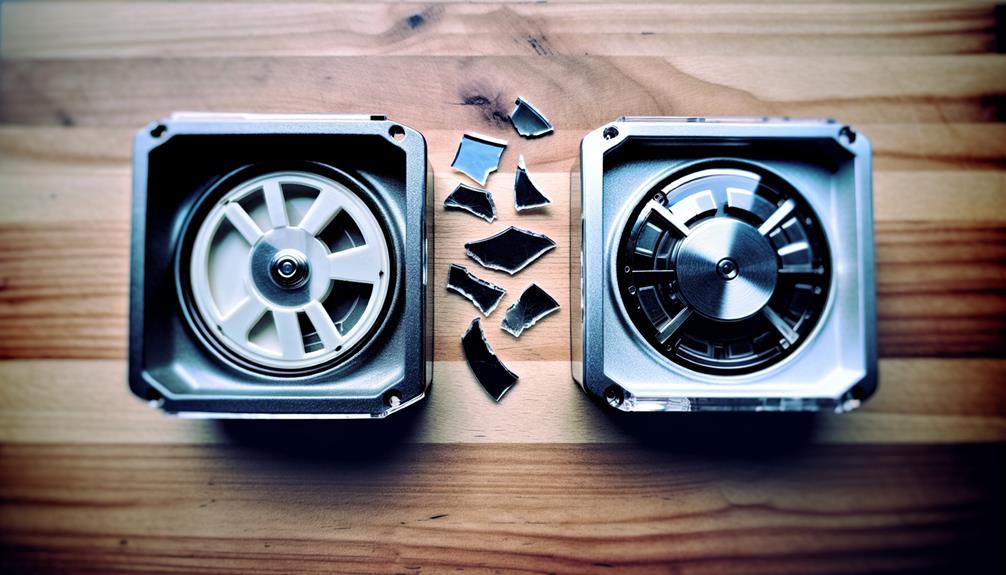
When it comes to watch winders, durability plays a crucial role in distinguishing between automatic and manual options. Understanding how these two types differ in terms of longevity and functionality is key for watch enthusiasts. Let's break it down:
- Automatic watch winders: These are known for their durability, thanks to their gentle and consistent winding that mimics the natural wrist movement. This gentle approach helps in reducing wear and tear on the watch components over time.
- Manual watch winders: On the other hand, manual winders might need more attention and care to prevent overwinding or potential damage to the watch. Improper manual winding can lead to uneven or excessive winding, so it requires a delicate touch.
The durability of your watch winder, whether it's automatic or manual, is vital for safeguarding your timepiece's intricate mechanisms. Opting for an automatic winder can offer a reliable and consistent winding experience, potentially extending your watch's lifespan. However, manual winders, though they need extra care, can also be durable with proper handling and maintenance. It's all about making an informed decision based on your watch and personal preferences to ensure it stays in top shape.
In the end, choosing the right watch winder is like finding the perfect fit for your watch – it keeps it running smoothly and looking sharp. So, whether you go automatic or manual, make sure it suits your style and keeps your timepiece ticking beautifully.
Frequently Asked Questions
What Is the Difference Between Manual Winding and Automatic Winding Watches?
When it comes to winding your watch, you've got two main options: manual or automatic. Manual winding means you'll need to twist the crown yourself every day, giving you a hands-on connection with your timepiece. On the other hand, automatic watches wind up as you move your wrist, so no manual effort is required. It's a matter of personal preference - do you enjoy the ritual of winding your watch each day, or do you prefer the convenience of a watch that takes care of itself? Make your choice based on what suits your style best!
What Is the Difference Between a Normal Watch and an Automatic Watch?
When deciding between a regular watch and an automatic one, here's the deal: a regular watch needs manual winding, while an automatic watch winds itself up as you move around. It's all about what suits your style and convenience. So, pick what feels right for you, whether it's the classic way or the hands-free option.
What Should I Look for in an Automatic Watch Winder?
Hey there! When you're on the lookout for an automatic watch winder, it's key to keep a few things in mind. Look for one that lets you adjust the Turns Per Day (TPD), choose the rotation direction, and check out the noise levels. Opt for a winder with a quiet motor and power options that match your needs. It's also essential to pick a winder that not only functions well but also complements the style of your watch collection. So, take your time to find the perfect match for your timepieces!
Are Watch Winders Bad for Automatic Watches?
Using a watch winder for your automatic timepieces can be beneficial if you do it right. Just stick to the manufacturer's recommendations, don't go overboard, and make sure you set the rotations per day correctly. Knowing your watch's requirements is key to preventing unnecessary wear and tear. Regularly checking in on your watch will help keep it running smoothly and performing at its best.