
So, let's talk about mastering the art of time management, specifically focusing on the top 10 techniques for getting your watch winder's rotational speed just right.
If you're a watch enthusiast like me, this is crucial for keeping your timepieces in top shape. By diving into methods like precise speed adjustments and playing around with customization features, you can really up your watch game.
These techniques not only make sure your automatic watches perform at their best but also help them last longer and stay accurate. Trust me, once you nail down the perfect rotational speed for your watch winder, your whole timekeeping experience will reach new heights.
Key Takeaways
When it comes to winding your watch, it's crucial to understand its unique requirements for optimal performance. Take the time to experiment with different speeds to find the perfect match that keeps your timepiece running smoothly. If you're unsure, don't hesitate to reach out to the manufacturer or check online resources for guidance on the best practices.
Another tip is to adjust the rotation direction of the winder to ensure that your watch is optimized for peak performance. It's also essential to sync the winder settings with your watch's specific requirements to maintain accuracy. By following these steps and fine-tuning your approach, you'll ensure that your watch stays in top condition and keeps ticking accurately.
Understanding Watch Winders
To really understand why watch winders are so crucial for keeping your automatic watches in top shape, you need to grasp how they mimic the natural movements of your wrist. Basically, these nifty gadgets are designed to keep your automatic timepieces ticking by rotating them in a similar way to how your wrist moves throughout the day. This constant motion ensures that your watches don't stop running and are always ready to be worn.
When it comes to using a watch winder, one key thing to keep in mind is the turns per day (TPD) setting. Different automatic watches have specific TPD requirements to ensure they get the right amount of winding, which can vary depending on the watch movement. Getting the TPD setting right on your watch winder guarantees that your watch stays accurate and keeps ticking smoothly.
Another important factor to consider is the clutch mechanism in your automatic watch. If a watch winder spins too fast or for too long, you run the risk of overwinding your watch, which can put unnecessary strain on the clutch mechanism. This could lead to premature wear and potentially costly repairs down the line. By knowing the TPD needs and settings for each of your automatic watches, you can make sure they stay in tip-top condition for years to come.
Importance of Correct Rotational Speed
Maintaining the right rotational speed for your watch winder is key to keeping your automatic timepieces in top shape. It's like giving your watch a tune-up to ensure it ticks smoothly and accurately. Let's dive into why getting the rotational speed spot on is so crucial:
- Preventing Wear and Tear: Setting the correct rotational speed helps avoid unnecessary strain on your watch's delicate inner workings. Imagine it as giving your watch the optimal conditions to function smoothly, reducing wear and tear over time for a longer lifespan.
- Efficient Winding: Getting the rotational speed right ensures your watch is wound up just enough without the risk of overdoing it. By dialing in the right number of turns per day, you're keeping your watch ready to go whenever you need it, without any worries of overwinding.
- Meeting Specific Needs: Different watches have specific speed requirements to operate at their best. By following these guidelines, you're maintaining the accuracy and precision of your timepiece. Adjusting the rotational speed according to your watch's unique specifications is the key to keeping perfect time and maximizing performance.
Taking care of these details not only keeps your watch in top condition but also ensures you enjoy accurate timekeeping and peak performance. It's like giving your watch the VIP treatment it deserves!
Basic Principles of Setting Up Speed
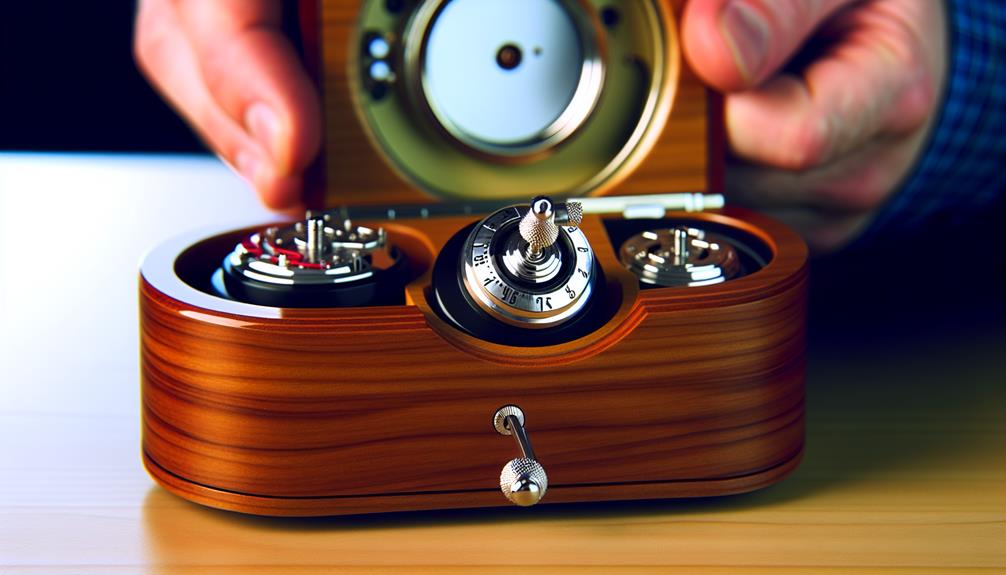
Setting up the speed of a watch winder is like tuning an instrument - it requires precision to ensure your timepiece stays in perfect rhythm. Each watch has its own unique needs when it comes to Turns Per Day (TPD), which dictates how many rotations are needed to keep it ticking smoothly. For instance, most Swiss movements thrive on around 650 TPD. Finding the right balance is a mix of trial and error, along with a good sense of timing, to give your watch the energy it craves for long-lasting performance.
When it comes to winding modes, it's crucial to know your watch's preferences. Some watches enjoy the back-and-forth dance of bi-directional winding, while others, especially older or delicate models, prefer the one-way street of unidirectional winding to avoid any mishaps. Matching the winding mode to your watch's needs is key to keeping it running like clockwork.
To ensure your watch gets the power it needs, syncing the watch winder's speed settings with your watch's requirements is essential. By fine-tuning the TPD and picking the right winding direction, you can keep your watch charged up and ready to accompany you through your daily adventures. Mastering the art of setting up a watch winder's speed is vital for maintaining your timepiece's longevity and performance.
Choosing the Right Speed
When setting the speed for your watch winder, it's crucial to consider the specific needs of your watch movement to ensure it winds efficiently. Automatic watches rely on the winder to imitate the natural wrist motion, keeping time accurately. Here are some key points to help you choose the right speed for your watch winder:
- Know the Turns Per Day (TPD) Requirement: Different watch movements require varying TPD for optimal function. For instance, Swiss movements like ETA typically need around 650 TPD for smooth operation and proper upkeep.
- Experiment with Rotational Speeds: Trying out different rotational speeds is essential to find the sweet spot for each watch. Understanding the TPD your watch model needs can boost its performance and lifespan.
- Personalize for Each Watch: Take the time to customize the winder's speed settings for each watch you own. By adjusting the speed to match the unique needs of each timepiece, you can ensure they stay in top working condition.
Techniques for Adjusting Speed
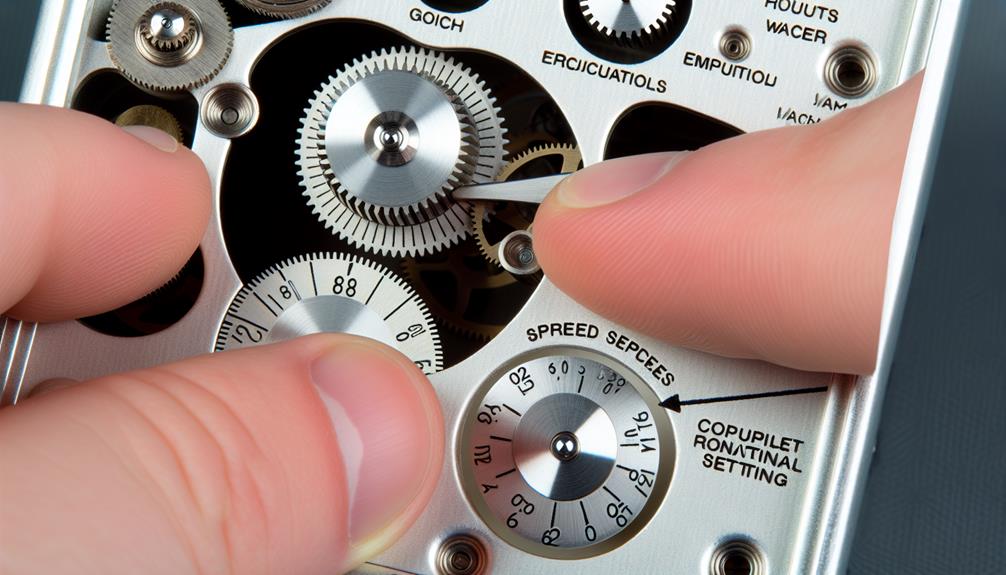
When you're winding your watch, it's essential to get the rotational speed just right. Each watch has its own requirements for winding efficiently without causing any harm. To find the perfect speed, try out different RPM settings until you hit the sweet spot that keeps your watch accurate and fully wound. Avoid winding too much or too little, as this can mess with how well your watch works. Using a timer to check how your watch performs at different speeds can help you figure out the best setting.
If you're not sure where to start, online resources and watch winder databases are great places to look for advice on the recommended speeds for various watch models. They can give you insights on the best settings for different types of watches, making it easier for you to adjust the speed correctly. By following the manufacturer's advice and using available resources, you can make sure your watch stays wound up properly and keeps ticking accurately.
Maintaining Consistent Speed
Ensuring your automatic watch stays in top shape requires maintaining a consistent rotational speed. This not only optimizes performance but also extends the longevity of your timepiece. Let's dive into three key tips for keeping that speed steady:
- Invest in Quality: Start by choosing a reliable watch winder that offers precise speed control. Opt for a renowned brand that allows you to adjust the rotation speed to match your watch's needs accurately.
- Regular TLC: Keep your watch winder in top condition by scheduling routine maintenance. Dust, dirt, or lack of lubrication can throw off the rotation speed. Regular cleaning and servicing will ensure your watch winder operates smoothly.
- Monitor and Adjust: Periodically check the rotation speed of your watch winder. If you spot any fluctuations or irregularities, address them promptly to avoid potential damage to your automatic watch. By keeping an eye on performance, you can catch issues early and maintain a consistent speed for your timepiece's well-being.
Troubleshooting Common Speed Issues
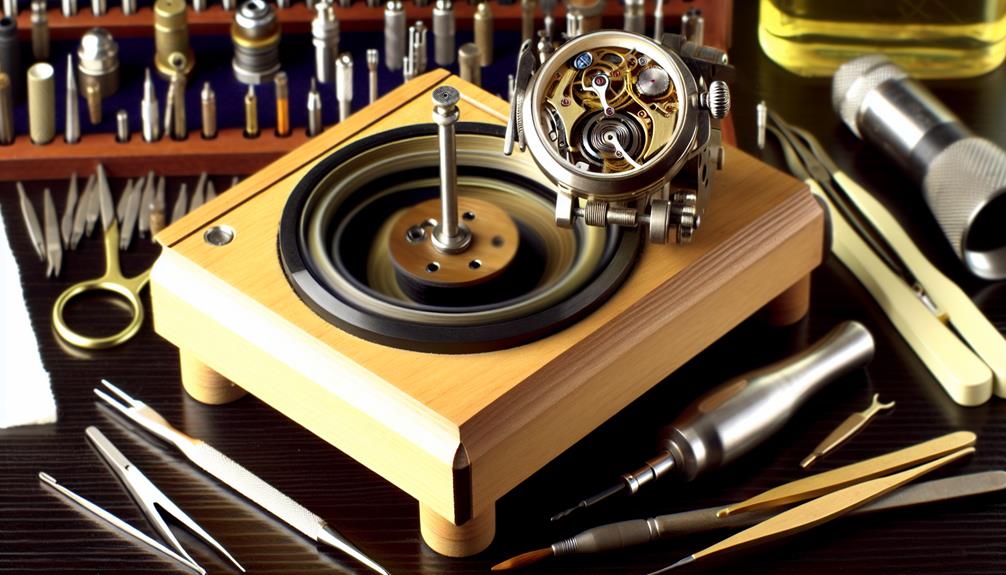
Dealing with speed issues in watch winders can be a bit tricky, but understanding the TPD settings and rotation directions is key to resolving these issues effectively. To troubleshoot speed problems, start by keeping an eye on your watch's accuracy for 48 hours to figure out the right Turns Per Day (TPD) setting. If your watch isn't keeping time correctly, play around with different TPD settings until you find the one that works best. Also, adjusting the rotation direction based on how your watch performs can really boost its winding efficiency.
Make sure to double-check that your TPD and directional settings are spot on, as incorrect settings can lead to speed problems. If your watch seems to run better on your wrist than in the winder, it might signal an issue with the winder settings. It's a good idea to reach out to trustworthy jewelers or manufacturers for help in ensuring everything is set up correctly.
When you're troubleshooting speed issues, take into account your watch's power reserve. Some watches have shorter power reserves, so they might need more frequent winding to stay accurate. Giving your watch a spin every now and then while it's in the winder can also help spread the lubricants inside, keeping things running smoothly.
For more tips and suggestions, you can turn to online forums where fellow watch enthusiasts share their experiences and solutions to common watch winder problems. It's always helpful to learn from others who've been through similar situations!
Preserving Watch Accuracy
Maintaining the perfect sync between your watch and winder is key to keeping precise time. Taking care of your watch ensures it performs at its peak. Here are some tips to help you preserve your watch's accuracy:
- Watch Your TPD Settings: Keep a close watch on your watch's accuracy for 48 hours to find the ideal Turns Per Day (TPD) setting. This will help you adjust the winder to meet your watch's needs accurately.
- Play Around with TPD Settings: If your watch isn't keeping accurate time on the winder, don't be afraid to try different Turns Per Day (TPD) settings. Tweaking this can make a big difference in how well your watch functions.
- Switch Up Rotation Direction: Some watches may need rotation in just one direction to stay accurate. If you notice timing issues, try changing the rotation direction on your watch winder to see if it helps with accuracy.
Advanced Speed Adjustment Techniques
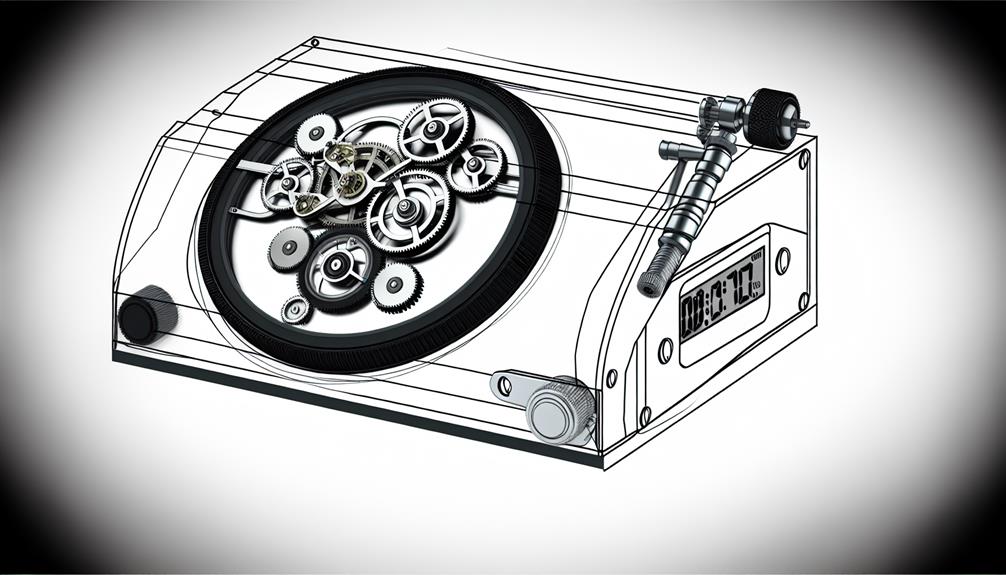
When it comes to optimizing the winding process, tweaking the rotational speed of your watch winder is key. Precision speed calibration techniques allow you to fine-tune this aspect with ease.
By taking advantage of automated speed customization features, you can tailor the winding experience to perfectly match your watch's specific movement needs. These advanced speed adjustment methods ensure efficient and accurate winding, keeping your timepiece in top-notch condition.
It's like giving your watch a personalized workout regimen for peak performance!
Precision Speed Calibration
When it comes to getting the most out of your watch winders by fine-tuning their rotational speed, it's like finding the perfect rhythm for your automatic timepieces.
Let's dive into some savvy techniques to dial in that precision:
- Tweaking the Speed: Adjust the rotation speed to match your watch's needs precisely.
- Personalized Setup: Customize the settings to avoid overdoing it or not winding enough, ensuring top-notch performance.
- Boosting Lifespan: Mastering this speed calibration not only amps up your watch's performance but also extends its lifespan.
These techniques aren't just about precision; they're about making sure your favorite timepieces keep ticking perfectly for years to come.
Automated Speed Customization
If you want to keep your watch collection in top shape, dive into the world of customizing your watch winders for optimal performance. Advanced techniques let you fine-tune the rotational speed to match the specific needs of your watch movements. By adjusting the speed, you can cater to a variety of automatic watch models that require different winding speeds.
This customization ensures your automatic timepiece is efficiently wound and lasts longer. You can set the exact number of turns per day (TPD) and choose the rotation direction for each watch, offering a tailored solution to care for your valuable collection.
Take advantage of these advanced speed adjustment features in watch winders to ensure your watches receive the maintenance they deserve.
Perfecting Your Winder Technique
To really nail down your winding technique, focus on making the rotation as efficient as possible. Adjust the speed settings to match your watch's needs precisely and boost the overall winding performance.
Winder Rotation Efficiency
When it comes to optimizing how your watch winder rotates, it's all about knowing your watch movements to find the perfect rotational speed.
Trying out different TPD settings can really boost your watch winder's performance by ensuring your timepiece gets just the right amount of winding.
Adapting the rotational speed as per the manufacturer's guidelines ensures your watch is wound correctly and works at its peak.
It's essential to sync up the watch movement with the winder rotation to maintain your timepiece's accuracy.
Keep an eye on your watch's performance after adjusting the rotational speed to fine-tune the winder for maximum efficiency.
Optimal Speed Settings
When it comes to getting the most out of your watch winder, nailing down the perfect speed settings is crucial for boosting the rotation efficiency and accuracy of your timepiece.
The recommended speed settings for watch winders typically fall between 650 to 950 Turns Per Day (TPD) for most automatic watches. Depending on the specific movement of your watch, such as Valjoux 7750 or Lemania 5012, you might need to dial in a precise TPD setting like 800 TPD.
By adjusting the rotational speed to match your watch's needs, you can ensure precise timekeeping and prolong the lifespan of your watch. Experimenting with TPD settings allows you to find the sweet spot between efficient winding and avoiding overwinding, ultimately leading to top-notch performance.
Understanding the TPD requirements of your watch model is essential to set the correct rotational speed on your watch winder for optimal results.
Improving Winding Performance
To get the most out of your watch winder and keep your timepiece ticking smoothly, it's essential to adjust the rotational speed just right. Think of it like finding the perfect rhythm for your watch – not too fast, not too slow. By tweaking the RPM settings, you can match the winding needs of your watch movement for optimal performance.
Experiment with different RPM settings to see what works best for your watch. Some watches prefer a higher RPM for effective winding, while others do better at lower speeds. It's all about finding that sweet spot that keeps your watch running like clockwork.
Frequently Asked Questions
How Fast Should a Watch Winder Spin?
If you want your automatic watch to perform at its best, it's important to know that the ideal rotation speed for a watch winder usually falls between 650-950 Turns Per Day (TPD). Different watch movements may have specific TPD requirements for optimal winding efficiency. It's like giving your watch the perfect workout routine to keep it ticking smoothly!
Is 900 TPD Too Much for Rolex?
Going over 900 TPD on your Rolex watch can cause it to get overwound, potentially leading to damage. It's best to stick to the recommended range of 650-850 TPD for optimal winding. By following these guidelines, you'll help maintain your watch's functionality and ensure it lasts longer. It's like giving your watch the perfect care it needs to keep ticking smoothly for years to come.
How Many TPD Does a Rolex Need?
Hey there! If you're curious about the best TPD for your Rolex, each model has its own sweet spot. Typically, around 650 TPD is the magic number to keep your watch ticking accurately and happily. Stick to this rhythm, and your Rolex will thank you with reliable timekeeping.
Should Rolex Watch Winder Be Clockwise or Counterclockwise?
When it comes to Rolex watches, it's important to wind them just right. Depending on the model, set the winder to rotate counterclockwise or in both directions as per Rolex's recommendations to avoid overwinding. Getting the rotation direction and TPD settings correct not only helps keep your watch accurate but also prolongs its lifespan. So, follow these guidelines to ensure your Rolex stays in top shape for years to come.