
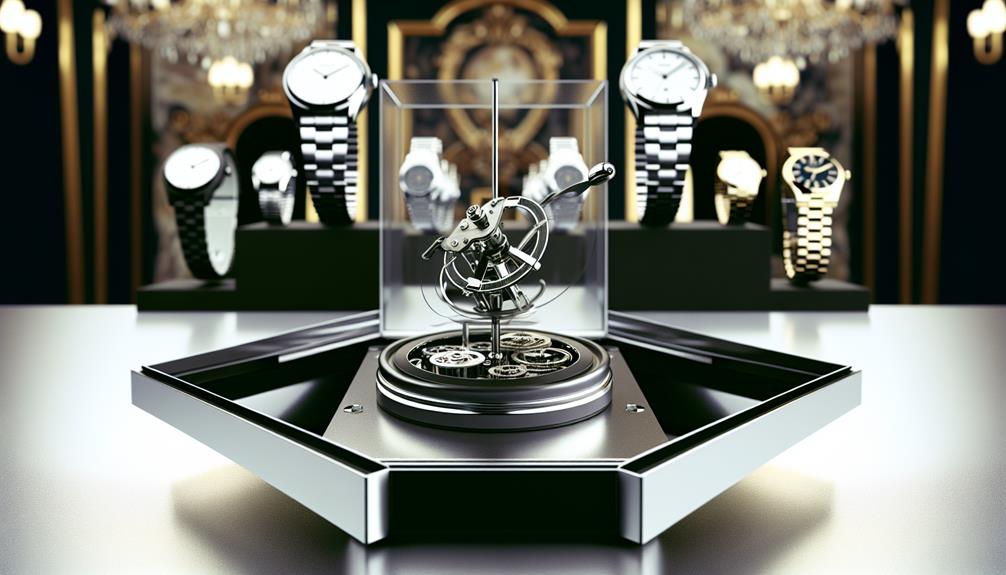
If you want to keep your watch running smoothly, understanding the role of watch winders is key. These nifty devices play a crucial part in maintaining the accuracy of your mechanical timepieces, taking your watch game to a whole new level.
By delving into how watch winders help in preserving and enhancing the performance of your favorite watches, you'll unlock a world of precision that goes beyond just telling time.
Dive deeper to uncover the secrets of optimizing your watch's functionality and getting the most out of it.
Key Takeaways
Imagine effortlessly winding your watch with natural wrist movements, just like a pro. No more worries about your essential oils thickening and affecting your timepiece's accuracy. Say goodbye to the hassle of constant manual adjustments for your watch to stay on point. You can now tailor the rotation settings to suit your watch's specific needs. The perks? Keeping oil build-up at bay and boosting your watch's longevity. It's like giving your watch the VIP treatment it deserves, ensuring it stays precise and reliable.
Understanding Mechanical Watches
When you start exploring the intricate world of mechanical watches, you uncover a realm where precision and artistry come together to create timepieces that go beyond mere timekeeping tools. Unlike their quartz counterparts, mechanical watches operate through complex movements and gears. These watches house a mainspring, a coiled spring that stores energy to drive the watch. Automatic watches, a specific type of mechanical watch, make use of the wearer's wrist movements to keep the mainspring wound up. Nevertheless, for mechanical watches that aren't worn regularly, manual winding or using watch winders becomes necessary to preserve their accuracy and functionality.
Having a grasp of the inner workings of a mechanical watch is crucial for truly appreciating the craftsmanship involved in making it. The accuracy of a mechanical watch heavily relies on the quality of its movement components. Every part, from the escapement to the balance wheel, plays a vital role in ensuring the watch maintains precise timekeeping. The intricate assembly of these components demands skill and meticulous attention to detail, showcasing the artistry that goes into crafting a mechanical timepiece.
In essence, mechanical watches are more than just time-telling devices; they represent a blend of engineering and artistry that underscores the dedication of watchmakers in creating accurate and enduring timepieces.
The Importance of Precision in Timekeeping
Keeping track of time accurately is crucial for staying on top of your schedule, making it to appointments on time, and ensuring that everything runs smoothly. Precision is the key to sticking to your plans and not missing a beat.
Consistent timekeeping is vital for the proper functioning and reliable performance of automatic watches. It's like having a reliable companion on your wrist, always there when you need it.
Accuracy in Timekeeping
When it comes to watches, keeping time accurately is key. It's not just about knowing the right time; it's a mark of quality and skill. Let's dive into why accuracy in timekeeping matters:
- Smooth Performance: Picture this - your automatic watch ticking flawlessly. That's the magic of precise timekeeping. Even tiny deviations can throw off its game.
- Staying Sharp and On Time: Being punctual is a breeze when your watch is spot on. No more fumbling with schedules or missing those crucial meetings.
- Top-Notch Functionality: Your watch's accuracy speaks volumes about its reliability. It's like a trusty sidekick, always there and always on point.
Keeping time isn't just about numbers; it's about trust and dependability. So, next time you glance at your watch, remember, it's not just telling time, it's showcasing precision and excellence.
Precision for Reliability
Precision is key when it comes to keeping your automatic watch running smoothly and accurately. Watch winders are a game-changer in this department, ensuring your timepiece stays wound up and on time.
These nifty devices provide the precise movements needed to keep your watch ticking without any manual interventions. By using a watch winder, you can count on your watch to be always ready to go, saving you the hassle of adjusting it constantly.
This consistent accuracy not only boosts your watch's performance but also guarantees its reliability for your daily schedule. Prioritizing precision with a watch winder ensures that your automatic watch remains a trusted companion for the long haul.
Consistency in Measurements
Keeping your automatic watch running accurately is key to its performance, and watch winders play a crucial role in this process. Let's dive into why they're so important:
- Controlled Precision: Watch winders create a consistent environment for your automatic watch, helping it keep accurate time without any hiccups.
- Preserving Accuracy: By keeping your watch in motion, winders prevent oils from thickening and ensure your timepiece stays on point in terms of accuracy.
- Reliable Timekeeping: Using a watch winder regularly keeps your watch's mechanism engaged, resulting in precise timekeeping and fewer adjustments needed.
In a nutshell, watch winders are essential for maintaining the accuracy and reliability of your automatic watch. Trust me, they make a real difference in keeping your timepiece in top-notch condition.
What Is a Watch Winder?
Ever wondered how to keep your automatic watches ticking even when you're not wearing them? That's where a watch winder comes into play. This nifty device mimics the natural movements of your wrist, ensuring your timepieces stay accurate and ready to go whenever you need them.
If you're a watch enthusiast like me, understanding how watch winders work, their benefits, and some maintenance tips is key to keeping your collection in top-notch condition.
Picture this: you've got a collection of automatic watches that you adore. You wear them on rotation, but what happens when they're not on your wrist? That's where a watch winder steps in to save the day. It's like having a personal assistant for your watches, making sure they're always running smoothly and ready to impress at a moment's notice.
Trust me, once you experience the convenience and peace of mind a watch winder brings, you'll wonder how you ever lived without one.
Watch Winder Function
If you want to keep your automatic watch running smoothly even when you're not wearing it, you might consider using a watch winder. These nifty gadgets mimic the natural movement of a wrist, helping to maintain your watch in top condition.
Here are three things to know about how watch winders work:
- Keep it Ticking: Watch winders are handy for ensuring your automatic watch stays accurate by keeping it wound and ready to go.
- Skip the Resets: Forget about the hassle of constantly adjusting the time and date on your watch. With a watch winder, you can avoid all that manual work.
- Longevity and Performance: By using a watch winder, you're investing in the longevity and optimal performance of your automatic timepiece.
Using a watch winder is a smart move to care for your automatic watches and make sure they're always ready for action.
Benefits of Winder
If you want your automatic watch to always be ready to go and perform at its peak, a watch winder is your best friend. These nifty gadgets are essential for keeping your automatic timepiece accurate and in top condition. By giving your watch consistent movement, a watch winder prevents it from stopping, ensuring that it keeps perfect time without needing manual adjustments.
Not only does a watch winder save you the hassle of setting your watch every time you wear it, but it also helps maintain the watch's movement and keep it properly lubricated. This care and attention to detail can significantly extend the lifespan of your automatic watch, so you can enjoy it for years to come. With a watch winder, your timepiece will always be ready to accompany you on any adventure, ticking away accurately and reliably whenever you need it.
Winder Maintenance Tips
To keep your watch winder running smoothly and lasting long, it's essential to take good care of it. Here are some simple tips to help you maintain your watch winder in tip-top shape:
- Keep it Clean: Regularly wipe down your watch winder with a soft, dry cloth to remove any dust or debris that could interfere with its operation.
- Check the Alignment: Ensure that the watch holders are correctly aligned to avoid putting unnecessary stress on your timepiece.
- Power Up: Make sure your watch winder is plugged into a stable power source to prevent any disruptions in the winding process.
How Watch Winders Improve Accuracy
When it comes to keeping your automatic watch accurate, watch winders are like the unsung heroes. They mimic natural wrist movements, ensuring your watch stays wound and in motion. This continuous action prevents essential oils from congealing or drying out, which can mess with your watch's precision. By eliminating the need for manual adjustments, watch winders maintain your watch's accuracy effortlessly.
Imagine this: your automatic watch, if left untouched for a while, can lose its accuracy due to lack of movement. That's where watch winders step in to save the day. They keep your watch in top shape, ensuring it runs smoothly and stays accurate over the long haul.
Think of watch winders as your watch's best buddy, preserving its accuracy and performance. With their help, your automatic timepiece will stand the test of time and keep ticking with precision.
Maintaining Your Watch With a Winder
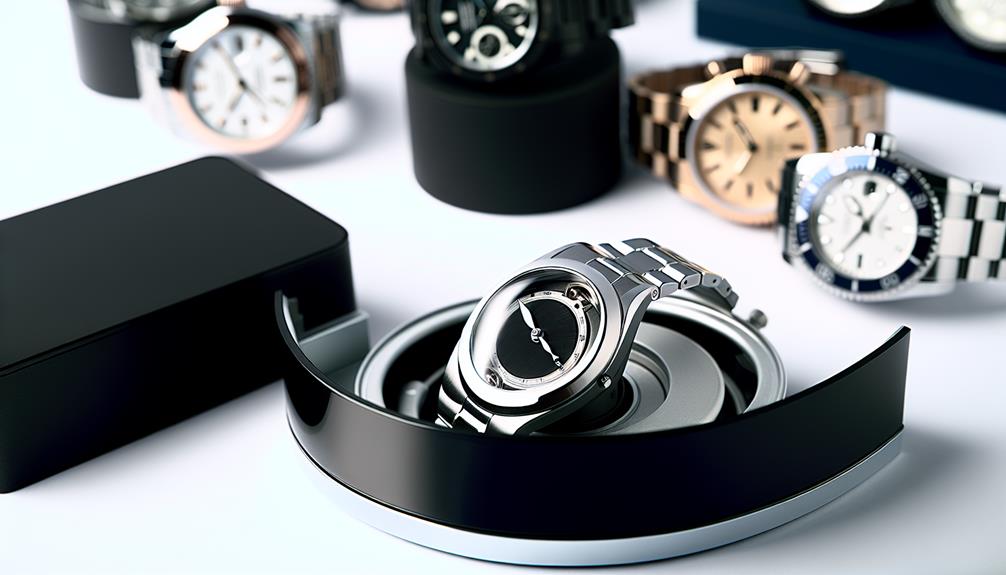
So, you've got yourself an automatic watch and you're thinking about using a watch winder to keep it ticking smoothly. Here's the lowdown on how to do it right:
- Set the Turns Per Day (TPD) Correctly: Every watch movement has its own needs when it comes to Turns Per Day (TPD). Check with your watchmaker to know the ideal TPD for your watch. This setting ensures your watch gets the right amount of movement to stay accurate.
- Position the Watch Correctly: How you place your watch in the winder matters. Make sure it's snug on the cushion or holder to avoid unnecessary jostling that could mess with its accuracy. Also, align it properly to prevent any strain on the movement.
- Regularly Check and Adjust: Keep an eye on your watch's performance now and then to make sure it's keeping time like it should. If you spot any issues or inconsistencies, tweak the winder settings accordingly. Regular monitoring is key to keeping your watch accurate and in top shape.
Choosing the Right Watch Winder
When it comes to choosing a watch winder, it's crucial to get the rotation settings right for your automatic timepiece. Customizing the winding direction to match your watch's movement requirements can make a significant difference in its performance and longevity. Ensuring compatibility between the winder and your watch movement is key to avoiding any potential damage.
To simplify things, let's break down the rotation settings and their compatible watch movements:
- Bi-directional: Works well with ETA 2824-2 and Valjoux 7750 movements.
- Clockwise: Ideal for watches with Seiko NH35 and Miyota 8215 movements.
- Anti-clockwise: Compatible with ETA 2892 and Sellita SW200 movements.
By selecting a watch winder with adjustable winding directions, you can keep your watch in top-notch condition. Matching the winder to your watch's specific needs not only improves accuracy but also extends its lifespan. Opting for a watch winder that caters to your watch collection adds a touch of sophistication to your timekeeping routine.
Personal tip: I've found that customizing the rotation settings on my watch winder has significantly improved the performance of my automatic watches. It's like giving each timepiece the individual attention it deserves, ensuring they stay accurate and well-maintained.
The Long-Term Benefits of Using a Watch Winder
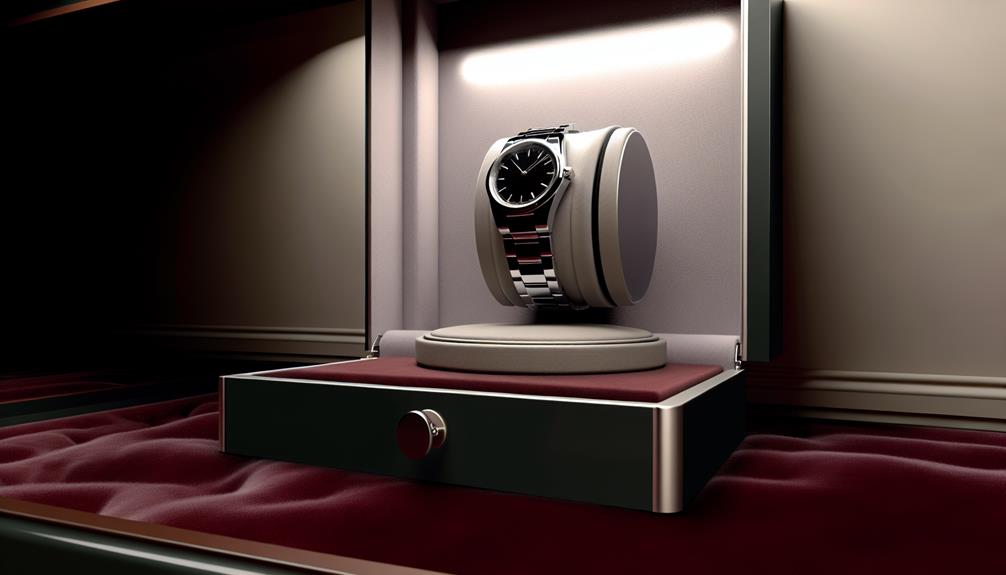
When it comes to taking care of your automatic timepiece, using a watch winder can make a real difference in maintaining its performance and longevity. Let's dive into the three main advantages of incorporating a watch winder into your watch care routine:
- Preventing Oil Build-Up: One of the key benefits of using a watch winder is that it helps prevent oils and lubricants from accumulating and causing issues within your watch's movement. By keeping the components in motion, the winder ensures that these essential elements are evenly spread, helping your watch function smoothly for years to come.
- Maintaining Accuracy: Regularly using a watch winder can help you stick to service schedules and ensure that your timepiece remains accurate. By keeping the movement active, the winder prevents lubricants from drying out and parts from seizing up, which ultimately contributes to the precision and durability of your watch.
- Enhancing User Experience: Many modern watch winders come with user-friendly features like touchscreen LCD control panels for easy customization. This not only adds convenience to your watch care routine but also allows you to personalize settings based on your specific timepiece, maximizing its performance and lifespan.
Frequently Asked Questions
How Important Are Watch Winders?
If you own an automatic timepiece, you know how important it is to keep it running smoothly. Watch winders play a crucial role in maintaining the accuracy and longevity of your watch. They help prevent issues and reduce wear on vital components by keeping the oils well-agitated. By using a watch winder, you're not only ensuring that your watch performs at its best but also extending its overall lifespan. It's like giving your timepiece the care and attention it deserves for peak performance.
What Is the Best Setting for a Watch Winder?
When you're setting up your watch winder, it's essential to follow the manufacturer's guidelines for rotation direction and number of turns per day. This personalized approach ensures that your timepiece remains accurate and avoids any unnecessary stress on its delicate inner workings. By sticking to these specifications, you can help prolong the life of your watch and keep it running smoothly. So, take the time to get it right, and your watch will thank you for it!
What Is the Function of the Watch Winder?
Imagine a watch winder as a handy gadget that keeps your automatic watch ticking smoothly by simulating wrist movements. It's like giving your watch a gentle nudge to prevent it from stopping, ensuring it stays accurate, reliable, and in good shape for the long haul. It's a must-have for watch enthusiasts looking to maintain their timepieces effortlessly.
Should a Watch Winder Be on All the Time?
If you want your automatic watch to always be ready with accurate timekeeping, it's best to keep your watch winder running continuously. These nifty devices mimic the natural movement of your wrist, ensuring your watch stays precise. Today's watch winders are not only efficient but also safe for long-term use, guaranteeing optimal performance. So, by keeping your watch winder on all the time, you can rest assured that your automatic watch will be ready whenever you need it, ticking away with precision.