
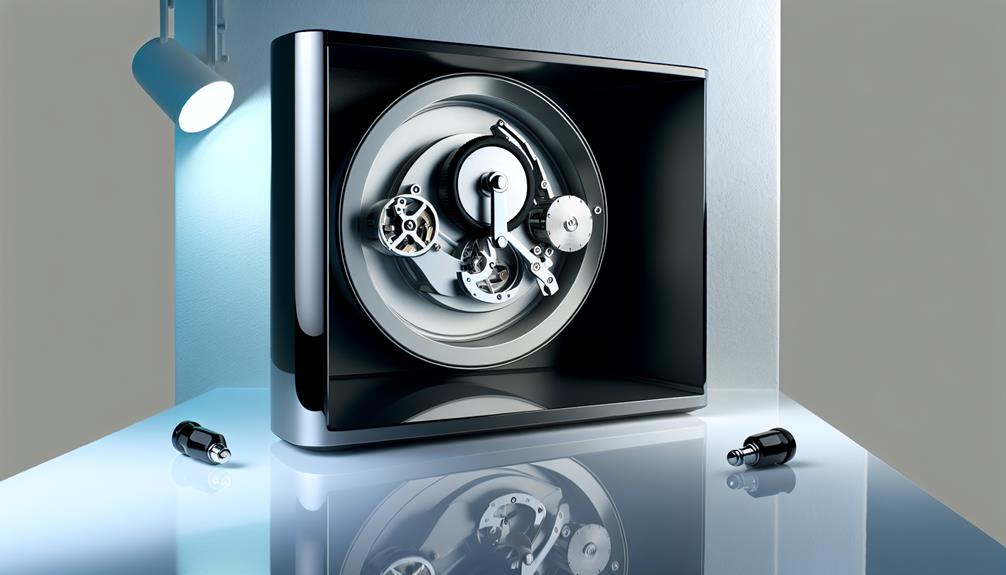
When it comes to adjusting the speed settings on watch winders, it might seem like a small tweak, but it can have a big impact on your timepiece.
By fine-tuning the speed to match your watch's needs, you can ensure optimal performance and a longer lifespan.
Just think about how a simple adjustment can boost the efficiency and accuracy of your automatic watch.
The relationship between speed and function is truly fascinating and worth exploring for any watch enthusiast looking to get the most out of their timepiece.
Key Takeaways
When it comes to keeping your watch in top condition, the key is to ensure it's wound just right. By adjusting the speed of rotation, you can avoid overwinding and maintain the health of your timepiece. This not only meets the specific winding needs of your watch but also extends its lifespan.
Having a good grasp of watch movements allows you to tailor the rotational speeds for optimal winding performance. By setting the speed accurately, you reduce the risk of damage and ensure your watch operates at its peak for years to come. Customizable settings on watch winders make the process easier, saving you the hassle of manual winding and matching your watch's requirements for longevity.
Understanding Watch Winders
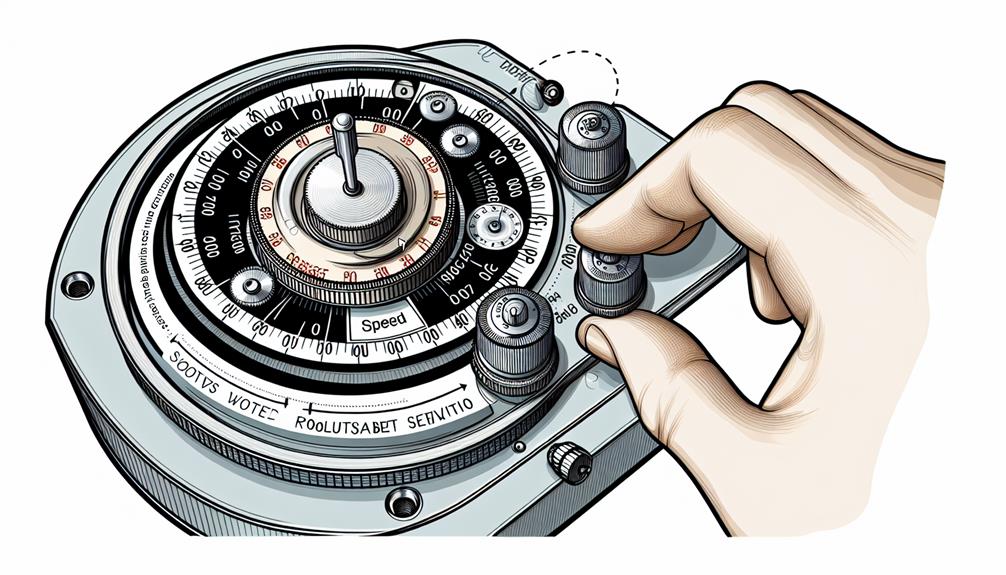
So, you've got these fancy automatic watches that need a bit of movement to keep ticking. But what happens when you're not wearing them? That's where watch winders step in. These nifty devices mimic your wrist's motion, making sure your watches stay wound and on time.
Here's the lowdown: watch winders spin your watch around in a specific way to give it the right amount of turns each day. This helps keep the spring tight and the oils inside from drying up, which could mess with your watch's accuracy in the long run.
If you're a watch aficionado with a collection of automatic timepieces, using a watch winder is a game-changer. It's all about setting up the winder to match each watch's needs, ensuring they all stay in top-notch condition.
Trust me, if you've got those high-end watches or ones with cool complications, a watch winder is a must-have. It's like a personal assistant for your timepieces, keeping them in tip-top shape and ready to go when you are.
The Role of Rotational Speed
Adjusting the speed settings on watch winders is key to ensuring the optimal winding for various watch movements. It's crucial for the health and longevity of mechanical movements in automatic watches. Here's why customizing the rotational speed matters:
- Tailored Approach: Different watches require different speeds for winding. Some need slower rotations, while others benefit from faster speeds. Adjusting the rotational speed allows you to meet each watch's specific needs.
- Preventing Overwinding: By setting the rotations per minute correctly, you can avoid overwinding, which can harm the watch's accuracy and performance. This helps in maintaining the watch's mechanism without unnecessary strain.
- Efficient Winding: Setting the rotations per minute ensures efficient winding, leading to precise timekeeping. This meticulous winding contributes to the overall well-being of the watch.
- Long-Term Maintenance: Modifying the rotational speed on watch winders is crucial for preserving the mechanical movements in the long run. Using the right speed can extend the watch's lifespan significantly.
- Versatile Options: Various watch winder models offer different speed settings to accommodate a wide range of automatic watches. This versatility enables watch enthusiasts to care for their timepieces effectively.
Importance of Speed Modification

Getting the speed settings just right on your watch winder is crucial to keep your timepiece running smoothly and prevent any unnecessary strain on its delicate inner workings. By adjusting the rotation speed effectively, you can avoid the common problem of overwinding, which can put too much tension on the mainspring and potentially damage the intricate components of your watch.
Different watches have specific speed requirements for optimal winding, usually ranging from 650 to 850 turns per day for most automatic timepieces. Customizing the rotation speed ensures that your mainspring gets the right amount of winding to maintain accuracy without causing any harm to the mechanism.
Properly adjusting the speed not only protects your watch's movement but also helps extend its lifespan. By avoiding excessive tension through precise speed modifications, you can safeguard the delicate parts inside your watch, ultimately increasing its longevity. The customizable settings on watch winders are designed to cater to the unique needs of various watch models and complications, allowing for precise and tailored winding processes.
When setting up your watch winder, remember that finding the ideal speed is key to ensuring that your watch stays in top condition and functions flawlessly for years to come. So, take the time to get the speed settings just right, and your timepiece will thank you with years of accurate timekeeping.
Setting Up Rotational Speed
When it comes to getting the most out of your watch winder, nailing down the right rotational speed is key to syncing up with your timepiece's unique needs. Here are some tips to keep in mind when tweaking the rotational speed on your watch winder:
- Know Your Watch Movements: Different watches have different preferences when it comes to how many turns they need per day to wind up effectively.
- Tailored Speeds: You can customize the rotational speed to match the specific demands of luxury watch brands like Rolex, Omega, and others.
- Flexible Settings: Some watch winders come with options to program settings, letting you switch between clockwise, counterclockwise, or both rotations to suit a variety of watch models.
- Avoiding Extremes: Setting the rotational speed accurately helps steer clear of the risks of over-winding or under-winding, which could affect how long your watch lasts and how well it performs.
- Safeguarding Longevity: By dialing in the rotational speed just right, you can ensure your watch winder supports your timepiece's longevity and keeps it running at its peak.
Proper Watch Winder Use
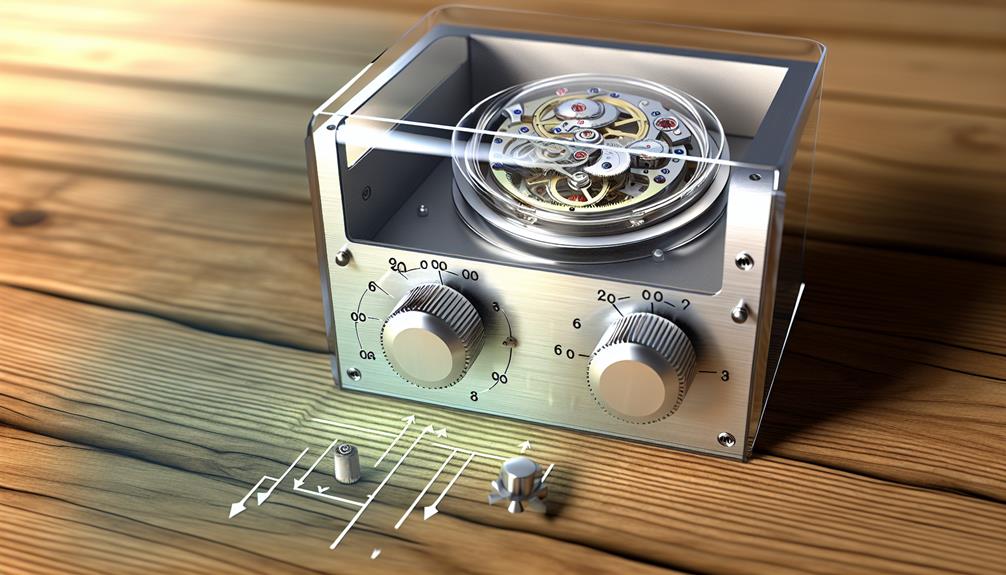
When it comes to making sure your watch winder runs smoothly, taking a methodical approach is key to keeping your timepiece in top shape for the long haul. Using a watch winder correctly means understanding how crucial it's to set the right rotation speed that suits your watch's movements. Nowadays, most watch winders offer customizable options for adjusting rotation direction, speed, and break intervals to give your watch the care it needs.
To underline the importance of using a watch winder properly, let's break down some essential points in a simple way:
- Rotation Speed: This determines how many turns per day your watch needs, which varies depending on the watch brand.
- Customizable Settings: These let you tweak rotation direction, speed, and rest intervals to match your watch's requirements.
- Avoid Over-Winding: Too much winding can strain the mainspring, affecting accuracy.
- Prevent Under-Winding: Not enough winding leads to a weak power reserve, impacting your watch's lifespan.
- Ease of Manual Winding: With the right settings, you'll reduce the need for manual winding and maintenance hassles.
Frequently Asked Questions
What Speed Should a Watch Winder Be?
When setting up your watch winder, aim for a speed range of 650 to 800 turns per day. It's essential to adjust this based on your watch's specific movement requirements, as some timepieces function better with slower rotations. Finding the right speed is key to preserving the mainspring tension, which ultimately extends the lifespan of your watch while keeping it accurate in timekeeping. It's like giving your watch the perfect workout routine to keep it in top shape for the long run.
Why Do Watch Winders Have Different Settings?
When it comes to setting up your watch winder for different automatic watches, it's crucial to tailor the settings to each specific brand and model. Every watch has its unique needs in terms of turns per day to ensure it performs at its best. By adjusting the rotation speed accordingly, you can maintain the accuracy and longevity of your timepiece, guaranteeing it gets the right amount of winding it requires for optimal performance. It's like giving your watch a personalized workout regimen to keep it ticking smoothly.
Why Is a Watch Winder Important?
If you want to keep your automatic watch ticking accurately and in top shape, a watch winder is a must-have. It helps maintain the right tension in the mainspring, prevents the lubricants from drying out, and ensures your watch is always good to go when you want to wear it. It's like having a personal watch caretaker that keeps your timepiece in prime condition and ready for action whenever you need it. So, investing in a watch winder is like giving your watch the VIP treatment it deserves.
Why Do Watch Winders Spin?
Ever seen those nifty watch winders that twirl around like a dance move? They're not just for show! These gadgets work wonders in keeping your automatic watches ticking accurately. By mimicking the natural movement of your wrist, they help maintain the watch's power reserve, spread around those essential lubricants, and cater to the unique needs of various watch movements. This gentle rotation also prevents the risk of over-winding and reduces wear and tear on the delicate inner workings of your timepiece. It's like giving your watch a spa day to keep it running smoothly!