

Do you have a watch collection that you love and cherish? Do you find it hard to keep them all running properly? Many people who own multiple watches turn to DIY watch winders as a way to make sure their timepieces are always running correctly. However, is this really the best option for your beloved watches? This article will explore the pros and cons of using DIY watch winders so that you can decide if they are worth the risk.
To illustrate what it’s like to work with DIY watch winders, imagine trying to put together a big jigsaw puzzle without any instructions. It might seem like an easy task but the lack of guidance could result in a lot of frustration and wasted time. The same goes for DIY watch winders; although it may seem like an easy fix, there are many risks involved if you don't know exactly what you're doing.
In this article, we will explore both sides of the argument: why some people choose to use DIY watch winders and why others prefer not to take such a risk with their expensive timepieces. We will look at the potential benefits as well as the potential drawbacks, so that readers can make an informed decision about whether or not making their own watch winder is worth the effort.
What Is A Watch Winder?
A watch winder is an amazing invention that will blow your mind! It's like having a robot strapped to your wrist, taking care of all the winding for you. With a watch winder, your automatic watch won't skimp on performance- it will always be ready to go whenever you want to use it. No more worrying about winding your watch every day- a watch winder takes care of it for you. Whether you are looking at DIY watch winders or high end Wolf watch winders, they all do the same job: they provide consistent power to keep your automatic watches running and ready to go.
So why exactly should you consider using a watch winder? Well, it comes down to convenience and accuracy. Having a watch winder can help make sure that the inner workings of an automatic movement stay precise and accurate while they're not being used. You don't have to worry about winding your watches every day or making sure they're set correctly when you put them away- with a watch winder, everything is taken care of for you automatically! This makes them incredibly handy for those who are constantly on the go and need their timepieces ready at any given moment.
With how convenient and reliable a watch winder can be, it's no wonder so many people choose to invest in one!
The Benefits Of Using The Best Watch Winder
Have you ever imagined what it would be like to have an array of watches but no way to wind them? Well, that's where watch winders come in! It seems almost too good to be true - a device that automatically winds your watches so that they're always ready for you! With a watch winder, having an impressive watch collection is no longer just a dream.
Watch winders are machines that can keep automatic watches running while not being worn. They move the watch in circular motions at a set turns per day (TPD), which helps maintain the power reserve of the watch. While it may seem counter-intuitive, winding an automatic watch manually can damage internal parts and reduce accuracy, so investing in a watch winder is definitely worth considering.
Having a watch winder means you don't need to worry about resetting or rewinding your watches when taking them off for long periods or changing from one to another. All you need to do is set the desired TPD and let the machine do its job - it's almost like having your own personal assistant for your watch collection! Not only does this save time and effort, but it also ensures that each movement of your precious automatic watches is perfectly wound every time.
A quality watch winder will make all the difference when looking after your valuable timepieces. It takes away any stress or confusion associated with manually winding and allows you to focus on other aspects of collecting watches without worrying about damaging them by over winding. With all these benefits, there's no wonder why watch winders have become such an indispensable part of any serious collector's toolkit.

Watch winders are certainly worth considering if you're looking for an easy way to manage a large collection of automatic watches. The convenience and peace of mind they provide makes them invaluable and their affordability means they shouldn't be overlooked when shopping for new additions for your wristwatch wardrobe!
Types Of Automatic Watch Winders
Watch winders are devices that can be used to keep automatic wrist watches wound up. There are different types of watch winders, and each one works in a unique way. In this section, we'll explore the different kinds of watch winders and how they work.
One type of watch winder is the DIY automatic wrist watch winder. This type of watch winder requires you to build it yourself out of components like crystals and motors. It's important to know how to remove a watch winder through crystal before attempting to construct your own, as this will help ensure that the device is properly sealed.
Another type of watch winder is the Wolf Watch Winder. These devices are designed specifically for winding automatic wrist watches and come with instructions on how to put a watch in them. You also may want to look into how to build a watch winder easy if you're looking for an easier way to construct your own device without needing extra parts or tools. Whichever type of watch winder you decide on, make sure that it meets all safety requirements so that your automatic wristwatch will remain safe while being wound up! With these tips on types of watch winders, now let’s discuss some popular brands available in the market today.
Popular Single Watch Winder Brands
Have you ever wondered which watch winder brand is the most popular? There are many options to choose from, including a DIY watch winder. But before you decide on which one to buy, let's take a look at some of the popular brands out there.
One of the biggest names in watch winders is Wolf Watch Winders. They specialize in automatic watch winders and offer a variety of models for all types of pocket watches or wristwatches. Wolf provides both single and double-watch winders that feature silent motors and are designed to fit any type of watch. Another popular brand is Orbita, who also specializes in automatic watch winders with advanced programming features that can be customized to meet your needs.
Finally, there is Diy Watch Winders, which allows customers to build their own personalized winder without having to buy an expensive one from a retailer. This option offers more customization options but does require some technical know-how and may pose higher risks than buying a pre-made model from a trusted brand.
No matter what kind of watch you have or what type of budget you have, there's sure to be a watch winder that fits your lifestyle perfectly. To make sure that you get the best value for your money when choosing one, it's important to consider all your options and understand the pros and cons associated with each brand.
Considerations When Buying Automatic Single Watch Winder
It's easy to get lost in the world of watch winders. With so many options out there, including DIY watch winders, automatic watch winders, and Wolf watch winders, it can feel like navigating a maze. To make sure you don’t get overwhelmed in the process, here are some considerations when buying a watch winder.
First off, consider your budget. Like anything else, the cost of a watch winder can vary significantly. You might find yourself torn between a DIY watch winder and an expensive automatic one. Weighing up all your options is essential before taking the plunge - after all, money doesn't grow on trees!
Next up is size and capacity. Depending on how many watches you own or plan to own in the future, you will need to decide what type of watch box winder is suitable for your needs. If you have several watches that require winding, then multiple-watch models such as a Wolf Watch Winder may be more suitable for you. On the other hand, if you just have one or two watches then opting for a more basic model may save you both time and money in the long run.
TIP: Make sure to measure your space and available storage area before making any decisions - this way you won’t buy something too big or too small! The last thing you want is a watch box winder that takes up too much room or won’t fit all of your watches.
Once you have taken into account these considerations when buying a watch winder, it’s time to move onto weighing up the pros and cons of DIY watch winders...
The Pros And Cons Of Diy Watch Winders
Doing a DIY watch winder can be an exciting project. A watch winder is a device used to keep automatic watches running. They come in various styles, such as wolf watch winders and watch box winders. If you are considering building your own watch winder, there are some pros and cons that you should consider before diving in.
One pro of making a diy watch winder is that it can save you money. Buying a pre-made automatic watch winder can be expensive, but with the right materials and tools, you can make one yourself at home for much less than buying one would cost. You will also have the satisfaction of knowing that the watch winder was made by your own hands.
Another pro is that you can customize your diy watch winder according to your own needs and preferences. When buying a pre-made automatic watch winder, you may have to choose from limited options or settle for something that isn't quite what you had in mind. But when making your own, you will have complete control over the design and features of the device.
On the other hand, there are some risks associated with making a diy watch winder. For example, if you don't have any experience working with tools or electronics, then it could be difficult to understand how it all fits together properly. Also, if something goes wrong during assembly or use of the device, it could potentially damage your expensive timepiece or even injure yourself or someone else in the process.
Building a diy watch winder requires careful consideration and planning before starting any work on it. You should weigh both the pros and cons before deciding whether or not this project is right for you - only then can you determine if it's worth taking on the risk to build your own watch winder!
Is It Worth The Risk To Build Your Own Dual Watch Winder?
Building your own watch winder can be a fun project but it’s important to know if it’s worth the risk. There are many tutorials online on how to build your own watch winder, like on Youtube or other websites. So what should you consider when deciding if it's worth the risk?
First of all, you need to know what a watch winder knob is and how to make a diy automatic watch winder. You also need to have the right tools and materials so that you don't end up with a faulty product. Furthermore, you need to make sure that there's enough space in your home for the watch winder and that you'll be able to use it properly once you've finished building it.
Knowing these things can help you decide whether or not building your own watch winder is worth the risk: - How much time do I have available to make the watch winder? - What kind of materials do I need? - How accurate do I want my diy watch winders to be?
These are all important questions that need answers before taking on this kind of project. If you're confident in your skills and think that it’s something that could be fun and rewarding, then maybe making your own watch winder is worth the risk! However, if any part of this process seems like too much work for you, buying an already made one might be a better option.
Advantages Of Using A Diy Watch Winder For Your Favorite Watch
A diy watch winder can be a great way to show off your watch collection. It's an automatic watch winder that will store and rotate your watches so they stay wound and running. It's a great way to keep your timepieces in good shape! With a homemade watch winder, you can make sure that each of your watches is stored safely. A diy watch winder will allow you to personalize it with the colors and design of your choice. You can also adjust the settings to fit the movement of the specific type of watch you have.
When picking out the right diy watch winder, there are some important things to consider. You'll want to make sure the size is right for the number of watches you plan on storing. You'll also want to pick out one that is made from high-quality materials, such as wood or metal, so it's durable enough to last for years. Lastly, if you don't have much space in your home, then you may want to look into getting a watch box winder instead. This way, all of your watches can be stored together in one place without taking up too much space!
Having a diy watch winder can be highly beneficial for any collection of watches. Not only does it provide protection and storage for them, but it also keeps them wound and running properly so they're always ready when you need them!
Disadvantages Of Diy Watch Winders
Using a diy watch winder is like jumping into a pool without knowing how deep it is; you never know what you're getting yourself into. While there are some advantages to using a diy watch winder, there are also several disadvantages which can't be overlooked.
Firstly, when using a diy watch winder, the user has no guarantee that it will work properly. The watch winder may not function exactly as intended and could end up damaging the automatic watch. This could cost the user even more money if they have to repair or replace their expensive timepiece. Additionally, the quality of materials used in the construction of diy watch winders is often lower than those found in more expensive models such as Wolf Watch Winders and watch box winders. This means that they may not last very long, potentially wasting money and effort that was put into creating them.
Finally, diy watch winders can be dangerous if they are not created correctly or with the right materials. If certain parts are not secured properly this could lead to electric shocks if someone touches them during use. Furthermore, improper wiring can lead to short-circuiting and other accidents that can damage property or harm people around them.
In summary, using a diy watch winder may seem like an appealing option for those looking for an inexpensive way to keep their watches wound and running smoothly but there are significant risks involved that must be taken into account before making such a purchase.
Cost Effectiveness Of Diy Two Watch Winders
When it comes to diy watch winders, cost effectiveness is an important factor to consider. Automatic watch winders can be quite expensive, so if you're on a budget, building your own could be the way to go. However, there are a few things to keep in mind when it comes to the cost effectiveness of diy watch winders:
The Parts: When constructing a diy watch winder, you will need certain parts and tools in order to get the job done. These items may include wires, motors, switches and other components that can add up quickly.
Time: In addition, it takes time and effort to build a diy watch winder from scratch. This can affect the overall cost effectiveness because time is money! It's important to make sure you have enough time and energy before attempting this project.
In terms of setting up your diy watch winder once it is complete, you will need to understand the settings for your particular automatic watch winder as well as know how much power the watch requires in order for it to work properly. Investing some time into researching these areas can help ensure that your watch winds properly without having any issues over time.
Overall, while the cost effectiveness of diy watch winders depends largely on individual preferences and circumstances, it's something worth keeping in mind when deciding whether or not building one is right for you. After all, understanding how much money one needs to spend up front can help when budgeting for this project.
Without proper quality control measures however, even with careful planning and research there could still be issues with accuracy or functionality that could arise down the road - which brings us into our next section about quality control issues with diy watch winders...
Quality Control Issues With Diy Watch Winders
Making a DIY watch winder may seem like a cost-effective option, but there are some quality control issues to consider before taking the plunge. It's not as easy as it looks! Just like with anything, it pays off to do your research and be aware of these potential problems. To help you out, let's dive into the pros and cons of DIY watch winding.
Like a ticking time bomb, the risks associated with making your own watch winder may be too high for some. Quality control is a major issue when it comes to DIY watch winding because you never know if an automatic single watch winder isn't going to work or not until you actually test it. Wolf designs single watch winders tend to have better quality control as they are made by professionals who specialize in this type of machine. Additionally, these machines can be bought from trusted sources such as Amazon or eBay, so if something goes wrong with them they can easily be repaired or replaced without much hassle.
Here's why DIY watch winding might not be worth the risk: • Quality Control: You won't know if an automatic single watch winder will work until you've tested it out yourself – and that could lead to costly repairs or replacements if something goes wrong. • Time Investment: Making a DIY watch winder requires time, effort and patience – not everyone has those qualities or enough free time on their hands for such an endeavor. • Costly Materials: Where to buy watch winder parts can often be expensive and hard to find depending on what kind of what is an automatic watch winder you're trying to make.
When considering whether or not DIYing a watch system is worth the risk, there are lots of factors that need to be taken into account. Quality control is just one factor that can determine whether or not this project is a success – so make sure you weigh all your options carefully before deciding!
The Safety Of Diy Watch Winders
The safety of diy watch winders is an important factor to consider when deciding if it's worth the risk. While some people may think that building your own watch winder is a safe option, there are potential risks you should be aware of.
One thing to keep in mind is that when you build a watch winder from scratch, you're responsible for ensuring all parts fit and work together. If something goes wrong, your watch could be damaged or worse. You'll also need to have the right tools and know-how to be able to put it together correctly. Even if you have the skills and knowledge, accidents can still happen - like forgetting to remove the screws after setting up or not using the correct drill bit size for example.
Also, if you don't use a watch winder regularly, it can lead to winding problems in automatic watches such as an insufficient power reserve or damage to internal components due to lack of movement. This is why it's important to know how to use an automatic watch winder properly and how often you should use it. Knowing what happens if you don't use a watch winder can help prevent any damage from occurring in your timepiece. Additionally, knowing how to remove a watch winder safely can also save money on repairs down the line since improper removal can cause unnecessary wear and tear on the winding mechanism and crown (what is the winder on the side of a watch called).
Considering these risks before building your own diy watch winder will help ensure that your timepiece remains safe no matter what happens. Knowing what steps need to be taken for successful assembly and maintenance will go a long way towards getting the most out of your investment without having any unexpected surprises along the way. With this information in mind, we can now explore some alternatives to diy watch winders that may be better suited for those looking for safer options...
Alternatives To Diy Watch Winders
When it comes to watch winders, there are two main alternatives to DIY versions: two-watch winders and single-watch winders. Two-watch winders can be a great option for those who own multiple automatic watches and want to keep them wound up simultaneously. The build quality of these devices is generally much higher than the DIY variety, with many models featuring piano lacquer finishes and even luxurious options like Swiss Kubik and Wolf Designs.
Single-watch winders, on the other hand, are ideal for those who only need one watch wound at a time. These devices are usually much smaller than two-watch winders, making them great for those who have limited space in their home or office. Single-watch winders are also typically more affordable than their two-watch counterparts, so they can be a good choice for those on a budget.
When considering an alternative to building your own watch winder, it's important to think about your needs carefully. If you own multiple watches that require winding, then a two-watch winder might be the best option for you; if you only have one watch that needs winding periodically, then a single-watch winder may be the way to go. No matter which type of watch winder you choose, it's important to buy one with high quality build materials such as piano lacquer and luxury features like Swiss Kubik or Wolf Designs. With careful consideration of all your options available, you can find the right watch winder solution for your needs.
The Expert Opinion Of Diy Watch Winders
So you want to be a watch winder smith? Or maybe you're just curious about the process of winding watches? Either way, this article is here to set the record straight on diy watch winders. Do they really work? Will they save you money? These are all questions we'll explore in this expert opinion of diy watch winders.
First, let's look at the pros. DIY watch winders can potentially save you a lot of money. Instead of buying an already-made product like a wolf watch winder or youtube watch winder, you can make your own for much cheaper. Plus, it can be a fun and rewarding project that teaches valuable skills like how to use a fortissot main spring winder or how to choose the right pocket watch winding mechanism.
On the other hand, there are also some cons to making your own watch winder. It could take a long time and require lots of practice before you get it right, plus there's always the risk that something could go wrong and damage your precious timepiece. All of these factors need to be taken into consideration when deciding if DIY watch winding is worth it for you or not.
At the end of the day, it comes down to personal preference - whether you want to take on the challenge yourself or not. Weighing up all the pros and cons will help inform your decision-making process and get closer to deciding if diy watch winding is worth the risk or not.
The Bottom Line: Is Diy Watch Winding Worth The Risk?
When it comes to watch winding, a lot of people are turning to diy watch winders. But is it worth the risk? Let's take a closer look at the bottom line.
Diy watch winders can be a great way to save money and time, but they come with some risks. It's important to do your research before going ahead with any type of watch winding project. You'll want to make sure you understand all the steps involved and that you have the right tools for the job. Even then, mistakes can happen which could damage your watch or cause it to malfunction.
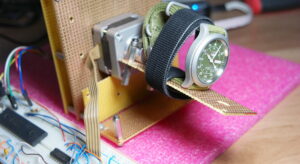
On the other hand, there are also advantages to using a diy watch winder. For one, it can be much cheaper than buying a ready-made model. Plus, if you're handy with tools and willing to take on a project, you might even find building your own watch winder enjoyable. If done correctly, a homemade winder could last just as long as a store-bought one – if not longer!
So when it comes down to deciding whether or not diy watch winding is worth the risk, only you can decide what makes sense for you and your situation. Take into account factors such as cost savings versus potential damages, how much experience you have with this sort of project, and how willing you are to take on something new - all of which will help lead you towards making an informed decision about whether or not DIY watch winding is right for you.
Frequently Asked Questions
How Long Does It Take To Build A Diy Watch Winder?
Building a DIY watch winder can be an exciting and rewarding experience. Not only do you have the satisfaction of constructing something yourself, but you also get to customize it exactly how you want. On the other hand, it can be a time-consuming process that requires patience, skill, and knowledge. So how long does it take to build a DIY watch winder?
It depends on what type of watch winder you’re building. Basic designs may only require a few hours of work but more complex builds can take days or even weeks. You'll need to consider the materials you're using and how intricate the design is in order to estimate the amount of time it will take. Not only that, but mistakes can happen along the way so having extra materials on hand is always helpful.
Constructing a DIY watch winder is no easy task yet there are many advantages if you're determined enough to see it through. It's important to remember that this isn't something that can be rushed. You must practice patience and precision in order to make sure your end result is up to your standards and expectations. With adequate preparation ahead of time, you'll be able to create a watch winder that looks great and works perfectly!
What Are The Most Suitable Materials To Use For A Diy Watch Winder?
Making a watch winder yourself can be an exciting project. With the right materials and some hard work, you can create a beautiful, functional piece of art that you will be proud to show off. But what are the best materials for such a project?
When it comes to making a watch winder, the most suitable material is wood. Wood is strong and sturdy, so it won't break easily if you drop it or use it too often. It also looks nice when finished, giving your creation a professional look. You may also want to consider using metal for certain parts of your winder; this material is also strong and durable, but may require more skill to work with than wood does.
In addition to these materials, there are other items you may need in order to construct your own watch winder. These include screws, nails, glue and any other tools necessary for the job. Make sure you have all the supplies before starting your project so that you don't have any issues along the way! Taking into account all of these factors will help ensure that your DIY watch winder turns out just as good as any store-bought one!
Are There Any Special Tools Required To Build A Diy Watch Winder?
Building a watch winder from scratch can be an exciting project for many people. It requires some special tools to get the job done and can be quite challenging. But is it worth the risk?
One of the most important things when it comes to building a watch winder is the tools used. You will need some specific items such as a drill, saw, screwdrivers, hammer and other general tools for cutting and shaping materials. Depending on what type of material you want to use for your DIY watch winder, you may need different types of tools. For example, if you are using wood or metal, you will need certain types of saws or drills. It is also important to use protective equipment when working with any kind of power tool.
You should also consider the type of motor that you will use in your DIY watch winder. There are many different types available on the market today, so make sure to do your research before deciding which one is best for your project. A good motor should have enough torque to keep your watch wound properly but also not be too powerful that it causes damage to your watch or other parts of the machine.
After gathering all your supplies and doing some research on motors, it's time to start building! You might find this task intimidating at first but with patience and proper guidance from online tutorials, anyone can create a successful DIY watch winder! With careful planning and attention to detail, you can create something beautiful that will last years!
Are There Any Safety Considerations I Should Keep In Mind While Building A Diy Watch Winder?
Building a DIY watch winder can be an exciting task, but it’s important to consider the potential risks before getting started. It almost feels like walking on a tightrope without a safety net - one wrong move and you could be in trouble. Every step must be taken with utmost caution to ensure that your project is a success and your safety is secured.
When working with tools and electricity, there are certain things you should take into consideration before beginning your project. Make sure that all tools are properly charged and in working order; faulty tools can lead to disastrous results! Also, if you’re planning on using electrical components in your design, double-check for any frayed wires or exposed outlets before plugging in. Many DIY projects require soldering, so make sure you’re familiar with the proper safety measures beforehand.
In addition to safety precautions while building, it’s also important to check how well the winder works once it’s finished. Test out each part of the winder multiple times before use to make sure that everything is running smoothly and correctly. Doing this will help reduce any potential risk of damage or injury caused by malfunctioning parts or devices.
So, when it comes to constructing a DIY watch winder - do your research beforehand, follow all safety guidelines closely, and test out the final product thoroughly. Taking these extra steps will not only help you create a successful end result but also ensure that no harm comes to you during the process.
Are There Specific Instructions Available For Building A Diy Watch Winder?
As the saying goes, 'time is money'. When it comes to watch winders, this couldn't be more true. People often want to save time and money by building their own watch winder at home. But before they start, many wonder if there are specific instructions available for building a diy watch winder.
The answer is yes! There are plenty of detailed instructions online that anyone can follow in order to build a watch winder. These directions usually include step-by-step processes on how to assemble the pieces and attach them together, as well as some tips on how to ensure that the winder is working correctly. Some of these instructions also provide safety precautions so that people can build with confidence and peace of mind.
However, before building a diy watch winder, it's important to consider if it's worth the effort and risk. It may require more effort than buying an already assembled one from a store or online shop and could cost more in the long run if something goes wrong during construction. To make sure you make the right choice, weigh both sides carefully before taking any steps forward with your project.
Conclusion
In conclusion, building a DIY watch winder can be a great experience for those looking to save money in the long run. It may take some time, and you'll need to be careful when gathering materials and tools but it isn't as difficult as it may seem. Plus, with the right instructions, you can create something that looks just as good as one purchased from a store.
It's like baking your own birthday cake; sure it might not look as perfect or taste as delicious as one from a bakery, but the satisfaction of making something yourself is incomparable. Crafting your own watch winder is no different; there will be mistakes along the way but you'll have the opportunity to learn from them and become better with each project.
Building your own watch winder takes patience, attention to detail and dedication. But if you're willing to put in the effort, you'll find that the reward of having created something unique and special is worth all of it!