
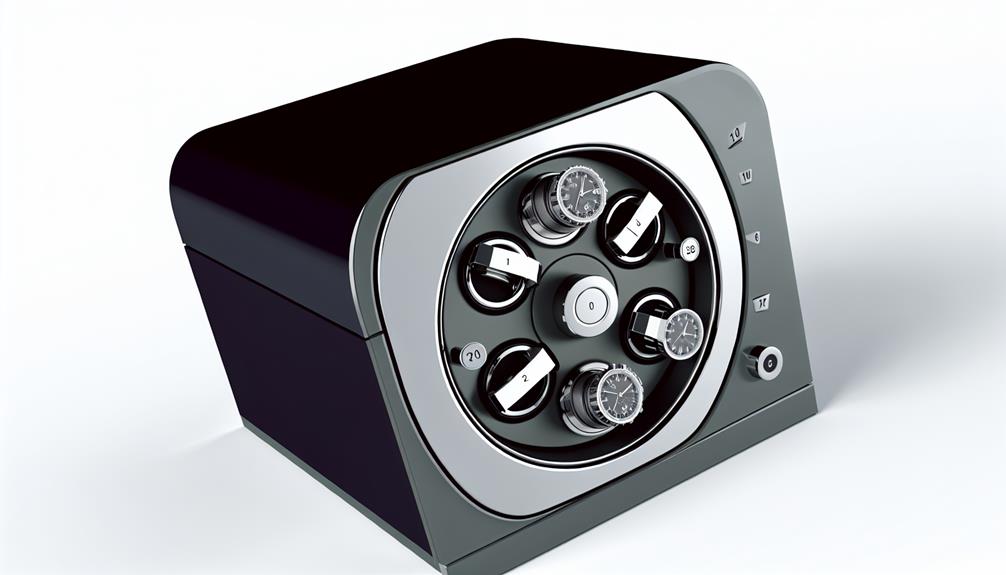
As you dive into the world of watch winder settings, get ready for a journey where precision meets performance. Understanding how to make the most of your timepiece goes beyond the basics; it's about fine-tuning every detail to unleash your watch's full potential.
By mastering calibration and rotation, you can take your watch-winding game to a whole new level. Get ready to uncover the secrets to setting up your watch perfectly, ensuring it keeps ticking smoothly and accurately.
Key Takeaways
Getting your watch's rotation speed just right is key to keeping it healthy and accurate. It's like finding the perfect rhythm for your timepiece! When it comes to adjusting the rotational direction, consider the specific movement of your watch. Remember, setting the correct number of turns per day is vital to avoid overwinding and ensure your watch lasts. Swiss watches often benefit from bidirectional winding, while others work best with unidirectional winding. Don't be afraid to play around with different settings until you discover the sweet spot for your watch. It's all about finding that perfect balance to keep your watch ticking happily!
Understanding Watch Winders
If you're new to watch winders, let's break it down simply. These nifty devices basically mimic the movement of your wrist to keep your automatic watch running smoothly. By rotating the watch, they ensure it stays wound up and doesn't stop due to inactivity. One key thing to remember when setting up a watch winder is the number of turns per day. This setting determines how often the winder will spin your watch to keep it ticking.
Different watches have different needs when it comes to turns per day. Some might need more rotations to stay fully charged, while others are good with fewer spins. It's crucial to find the right setting for your watch model to avoid issues like overwinding or underwinding, which can mess with its performance.
To find the sweet spot, try out different turns per day settings on your watch winder. By playing around with these settings, you can ensure your automatic watch stays wound up correctly and keeps accurate time. Understanding the significance of turns per day in watch winders is key to maintaining your watch's longevity and precision. And trust me, once you get the hang of it, it's smooth sailing!
Importance of Correct Rotational Settings
To keep your automatic watch running smoothly and lasting for years, it's crucial to set the rotations just right in your watch winder. This ensures you don't wind it too much or stress its delicate inner workings. Different watch movements, like Swiss ones, have specific needs for direction and turns per day (TPD) in a winder. For Swiss movements, around 650 TPD is usually a good fit. By adjusting the rotations per minute (RPM) to match your watch's movement, you can really boost its performance.
Getting the rotational settings spot on is key for accurate timekeeping and preserving your watch movement. Following the manufacturer's recommended TPD in your winder helps prevent overwinding, which can wear down your watch's insides. By sticking to the right rotational settings, you can keep your automatic watch in top shape, ensuring precise timekeeping and a longer lifespan. Paying attention to these details will help you make the most of your watch winder and keep your automatic watch ticking reliably for years to come.
How Watch Winders Work
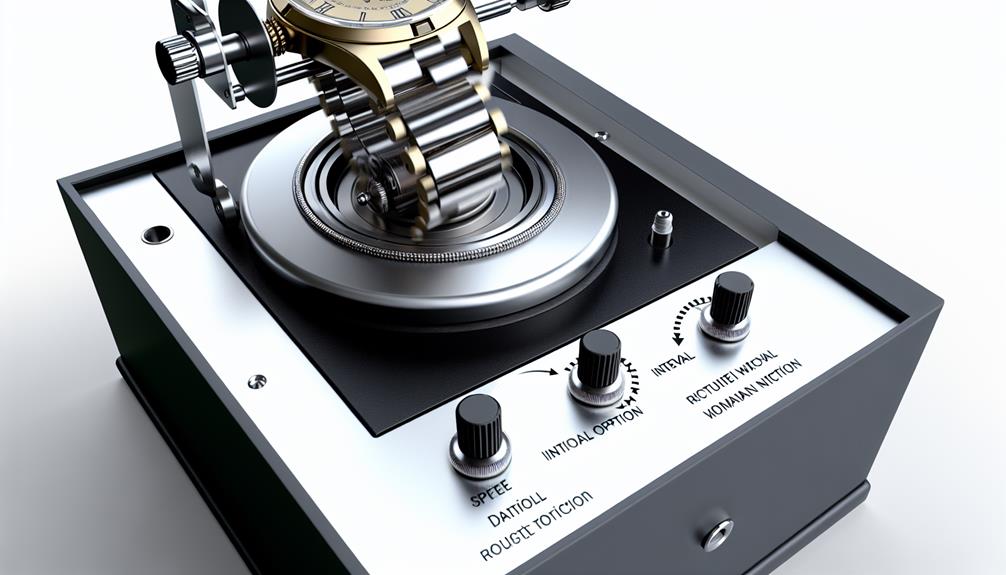
When it comes to keeping your automatic watch in top shape, setting up your watch winder correctly is key. A watch winder works by gently rotating your timepiece to mimic the movement of a wrist, ensuring it stays wound and ready to wear. This rotation is crucial to prevent your watch from stopping and to maintain its accuracy over time. However, it's important to find the right balance in the number of turns per day to avoid overwinding or underwinding, which can harm the watch's main spring and affect its performance.
To get the most out of your watch winder, you can adjust the settings to match the needs of your watch. By experimenting with different turn-per-day settings, you can discover the ideal rotation for your timepiece, keeping it in top condition and ensuring it keeps accurate time. Understanding how your watch winder operates and finding the right settings is essential for preserving the longevity and precision of your automatic watch.
Personalizing your watch winder settings based on your watch's requirements can make a significant difference in its performance. By fine-tuning the rotation, you can ensure that your watch is always ready to go and maintains its accuracy. It's like finding the perfect rhythm for your timepiece to keep it running smoothly and reliably.
Decoding the Best 10 Watch Winder Settings
When you're setting up your watch winder, it's crucial to get the rotation speed, direction settings, and rotation intervals just right to keep your timepiece ticking accurately.
By adjusting these settings to match your watch's needs, you can ensure it stays in top shape for the long haul.
Don't be afraid to try out different combinations to find the perfect balance for efficient winding that suits your watch perfectly.
It's all about giving your timepiece the care and attention it deserves, so it can keep ticking away flawlessly.
Optimal Rotation Speed
When it comes to keeping your automatic watches in top shape, understanding and adjusting the rotation speed settings on your watch winder is key. The right rotation speed is crucial for maintaining the power reserve and accuracy of your timepieces.
Depending on your watch's movement, the number of rotations needed may vary to avoid overwinding or underwinding. Quality watch winders come with adjustable rotation speeds to meet these specific requirements.
Directional Settings Guide
To make the most out of your watch winder, it's crucial to understand the different directional settings for proper winding of your timepiece. Here are some key points to consider:
- One-Way Winding: Some watch movements, like certain Miyota ones, need to be wound in a single direction to function smoothly.
- Two-Way Winding: On the flip side, movements found in Swiss watches benefit from winding in both directions to evenly distribute tension on the mainspring.
- Avoiding Wear and Tear: Setting the direction correctly can help prevent unnecessary strain on the movement parts, ensuring your watch lasts longer.
Customizable Rotation Intervals
Finding the perfect rotation intervals for winding your watch is key to keeping it in top condition. When setting up your winding schedule, take into account the specific needs of your watch model. It's crucial to avoid overwinding by selecting intervals that suit your watch's requirements.
By switching up the rotation direction within these intervals, you can mimic natural wrist movements, which can help extend the lifespan of your timepiece. Adding in longer breaks between rotations can also reduce wear on the mainspring, preserving your watch's accuracy over the long haul.
Keep in mind that different rotation intervals can impact your watch's power reserve, so it's important to adjust as needed based on your watch model. Understanding your watch's power reserve is essential for determining the most effective rotation intervals for optimal performance.
Achieving Optimal Use With Correct Settings
When it comes to getting the most out of your watch winder, it's all about finding the right settings and making sure the rotation direction is on point.
By adjusting these settings to match your watch's needs, you can ensure it stays wound properly without any risk of damage. Understanding and tweaking these key elements won't only keep your watch running smoothly but also extend its lifespan.
It's like giving your timepiece the VIP treatment it deserves!
Setting Time Intervals
When you're setting up your watch winder's timing, it's important to find the right balance between winding and resting periods. This balance is key to keeping your watch in top shape and avoiding any unnecessary strain.
Here are some tips to help you get the most out of your watch winder:
- Find the Right Balance: Make sure you give your watch enough time to wind up, but also allow it to rest. This balance prevents overwinding and helps your watch's components last longer.
- Time it Right: Choose time intervals that match your watch's power reserve. This way, you'll keep your watch wound up without putting too much stress on it.
- Stay Consistent: Stick to a regular schedule for winding and resting. Consistency is key to maintaining your watch's accuracy and longevity.
Rotational Direction Control
To keep your Tag Heuer watch running smoothly and lasting for years, it's crucial to wind it in both directions. This ensures optimal performance by controlling the rotation correctly. Understanding the specific winding direction of your watch movement is key to setting the winder correctly. Some movements, like the ETA Valjoux, only rotate in one direction, so precise adjustments are necessary. Using a timer plug can help manage the winding process and prevent any damage from overwinding.
Experimenting with different winding settings can help you find the best configuration for your watch, improving its overall performance and durability. By paying attention to these details and adjusting the winder accordingly, you can give your Tag Heuer watch the care it needs to keep ticking smoothly.
Impact of Rotational Settings on Watch Longevity

Getting the right rotational settings on your watch winder is key to keeping your timepiece in top shape for the long haul. Understanding how these settings affect your watch's inner workings, especially the mainspring, is crucial. Here's why it matters:
- Protecting the Mainspring: The mainspring is like the heart of a mechanical watch, storing energy to keep it ticking. Setting the rotations correctly ensures the mainspring is wound properly, preventing any strain or damage that could impact the watch's lifespan.
- Avoiding Overwinding or Underwinding: Incorrect settings can lead to overwinding, putting too much tension on the mainspring, or underwinding, causing the watch to stop unexpectedly. Following the manufacturer's guidelines helps steer clear of these issues and keeps your watch running smoothly.
- Less Wear and Tear Inside: Consistent and proper rotational settings help evenly distribute the winding, reducing unnecessary wear on the watch's internal parts. This not only prolongs the watch's life but also maintains its accuracy and reliability over time.
Understanding how rotational settings influence your watch's longevity is essential for safeguarding its value and functionality down the road.
Ensuring Watch Accuracy With Proper Settings
When it comes to keeping your automatic watch running accurately, understanding and adjusting the turns per day (TPD) to match your watch's needs is key.
It's crucial to calibrate the winder's rotation direction according to your watch's winding mechanism for optimal performance.
By trying out different settings and monitoring your watch's timekeeping, you can fine-tune the rotation for maximum precision.
This hands-on approach will help you find the perfect setup for your watch's peak performance.
Timekeeping Precision Techniques
Fine-tune your watch's accuracy by adjusting the watch winder settings to match your watch movement's specific needs. For precise timekeeping, try these tips:
- Know the Winding Direction: Make sure the winder rotates in the same direction as your watch movement to avoid underwinding or overwinding.
- Time the Rotations: Set the rotation intervals correctly to maximize the power reserve and improve accuracy.
- Stick to Manufacturer Guidelines: Follow the manufacturer's recommendations for TPD and rotation directions to protect your watch's mainspring and other components from unnecessary wear and tear.
Calibration Tips for Watches
To keep your watch running smoothly and accurately, it's essential to calibrate it properly. Understanding your watch's movement type, power reserve, and winding direction is key. Make sure to wind the watch in the correct direction to keep the mainspring wound effectively. Some watches need to be wound clockwise, while others require a back and forth motion.
Knowing your watch's power reserve will help you establish a suitable winding schedule to maintain its accuracy. Regularly checking and calibrating your watch according to the manufacturer's instructions is crucial to avoid any timekeeping issues. By following these calibration tips and staying on top of adjustments, you can ensure that your watch functions efficiently and remains accurate over time.
Setting Turns per Hour for Optimal Use
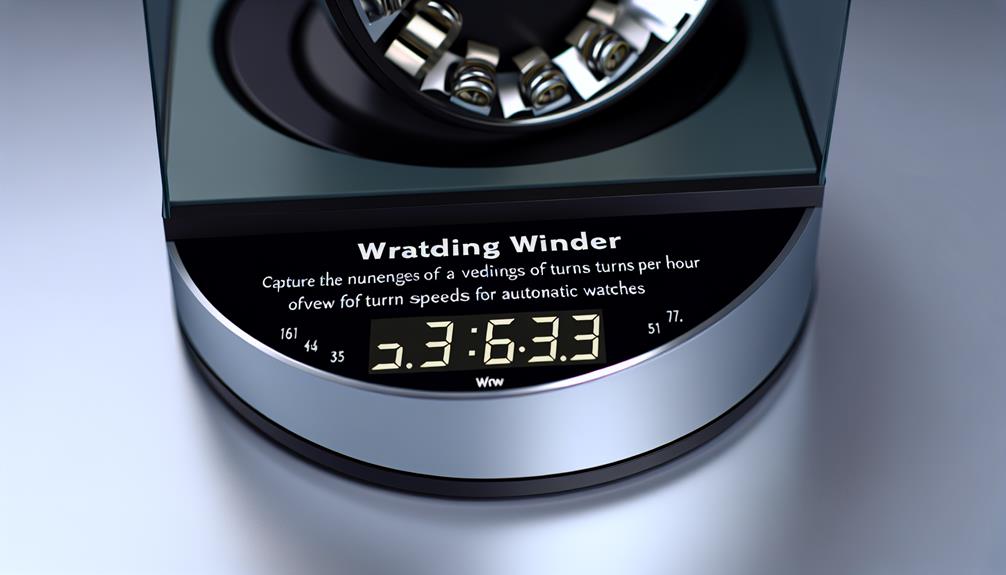
Setting the right number of turns per hour is key to keeping your watch in top shape for the long haul. Each watch has its own specific needs when it comes to turns per hour to work at its best. Let's walk through how you can dial in the perfect turns per hour setting:
- Match Turns per Hour to Your Watch's Movement Specs: Every watch movement, whether it's automatic or manual, comes with a recommended range of turns per hour for optimal winding. Straying too far from this range can mess with your watch's timekeeping accuracy or even harm its movement.
- Take Your Watch's Power Reserve into Account: Knowing how long your watch can run on a full wind can help you figure out the right turns per hour setting. Watches with longer power reserves might need fewer turns per hour to stay wound up nicely.
- Experiment to Find the Sweet Spot: It's essential to play around with different turns per hour settings to find what works best for your watch. Test out various settings, observe how your watch behaves, and pinpoint the turns per hour that keep it ticking smoothly without winding it up too much or too little.
Bidirectional Movements and Winder Modes
When it comes to keeping your watch with bidirectional movements in top shape, using a winder that can spin both ways is key. These types of movements need a winder that can rotate the watch clockwise and counterclockwise to ensure the mainspring is fully wound.
To set up the winder modes for watches with bidirectional movements, opt for modes 2 to 5. These modes evenly distribute the winding process throughout the day, preventing strain on the movement.
For bidirectional movements, it's crucial to adjust the revolutions per minute (RPM) settings according to your watch's needs. This customization helps prevent overwinding, which can harm the watch's delicate parts. Not all watches with bidirectional movements are compatible with bi-directional winding, so tailoring the settings to match your watch's specifications is essential for optimal performance.
Achieving the right balance in bidirectional winder settings is vital for maintaining your watch's accuracy and longevity. By using the correct winder modes and adjusting the RPM, you can ensure your bidirectional watch runs smoothly and lasts longer. Remember, when dealing with bidirectional movements, precision and attention to detail are crucial for keeping your timepiece in top condition.
Allowing Rest Periods for Watch Longevity
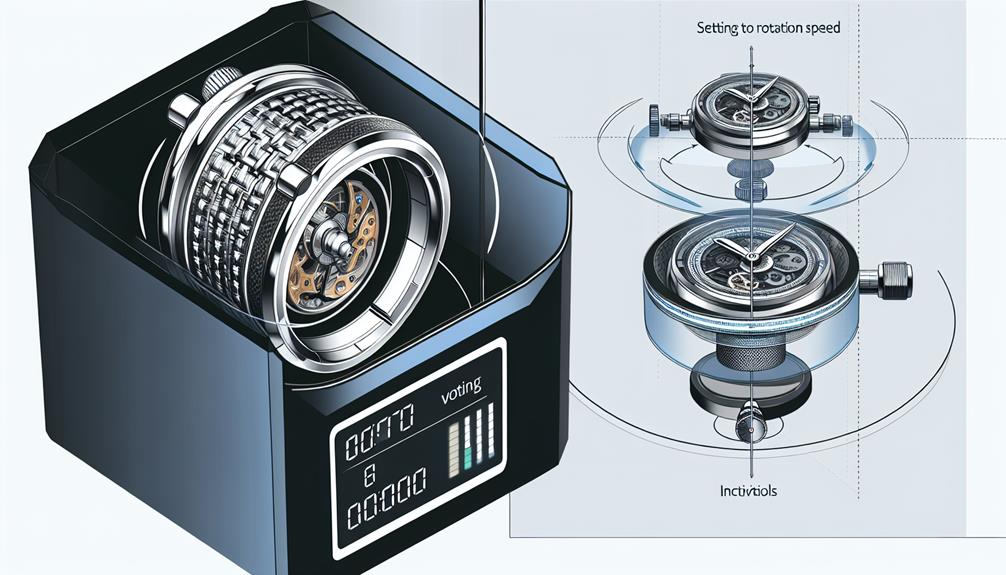
If you want to keep your automatic watch in top shape for the long haul, giving it some downtime in the watch winder rotation is key. Rest periods are like mini-vacations for your watch, preventing it from getting wound up too tight and stressed out. Let's dive into why incorporating these breaks can do wonders for your watch's lifespan:
- Natural Rhythm: By mixing in rest stops with the winding sessions, you're basically mimicking how your watch would naturally wear when it's on your wrist. This balanced approach helps the watch components age more gracefully, reducing the chances of premature wear and tear.
- Optimal Performance: Giving your watch movement a breather allows it to reset and perform at its peak. This little break helps keep timekeeping accurate and ensures your watch runs smoothly for the long haul.
- Damage Control: Non-stop winding can strain the gears and springs inside your watch, leading to potential damage. Introducing regular rest periods helps ease this strain, safeguarding your watch against wear and tear and extending its lifespan.
Frequently Asked Questions
What Setting Should I Use on My Watch Winder?
When setting up your watch winder, it's important to figure out your watch movement to get the right winding direction and TPD setting. Don't be afraid to play around with the settings until you find the right balance to avoid overloading. Using a timer can help you keep track of controlled winding cycles, ensuring your watch stays in top condition. It's like finding the perfect rhythm for your timepiece to dance to!
Is 900 TPD Too Much for Rolex?
If you're setting your Rolex watch to 900 TPD, you might be pushing it too far, which could lead to overwinding and harm to the movement. It's best to check Rolex's recommendations or chat with a watch expert to find the right TPD for your specific model. Remember, playing around with the settings is key to getting it just right.
Can I Leave My Watch Winder on All the Time?
Leaving your watch winder running constantly can put unnecessary strain on its internal parts, potentially leading to overwinding issues. To ensure your timepiece lasts longer, consider using a timer to control the winding process. Giving your watch some resting periods in between winding sessions can help maintain its longevity and performance. It's like giving your watch a well-deserved break to keep it ticking smoothly for years to come.
How Many Turns per Day Does My Watch Need?
To keep your watch running smoothly, it's crucial to know how many times it needs to turn each day. Swiss watches, for example, typically require around 650 turns per day for optimal winding. Different watches have different needs based on their movements, so finding the right number of turns per day is key to maintaining accuracy and power reserve. It's like giving your watch the perfect energy boost it needs to keep ticking accurately.