
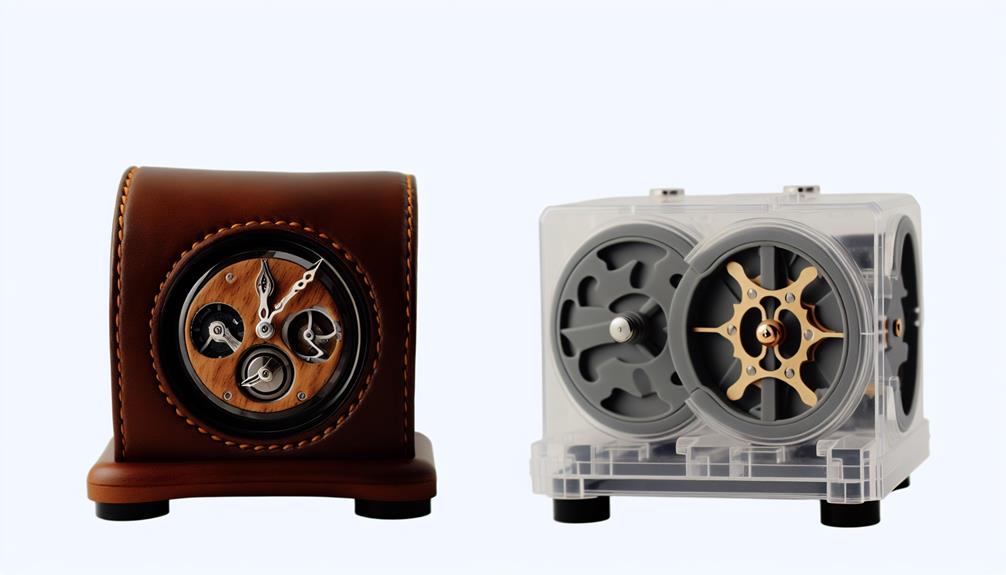
Exploring dual watch winders is like unraveling a captivating mystery. The factors driving their prices are far more intricate than just their functions.
Have you ever pondered how the blend of materials, artistry, and technology can result in such a wide range of price points? Let's delve into what sets some dual watch winders apart in cost, shining a light on the subtle details that influence their value in the market.
Key Takeaways
When it comes to pricing, the materials used play a big role. Whether it's basic or luxurious materials, they can significantly impact the cost you'll pay. Higher prices are often justified by a brand's reputation and the use of quality materials. Additionally, features like advanced technology, motors, and customization options can also influence the final price tag. The complexity of the design, rotation settings, and special features can bump up the cost as well.
Where a watch is manufactured can also affect its quality and price. For instance, watches made in Switzerland may come with a higher price tag due to their reputation for quality craftsmanship, while watches manufactured in China might offer a more budget-friendly option. Ultimately, understanding these factors can help you make an informed decision when investing in a timepiece that suits your style and budget.
Understanding Dual Watch Winders
If you're a watch enthusiast like me, you know the importance of keeping your automatic timepieces in top condition. That's where dual watch winders come in handy, allowing you to rotate and wind two watches simultaneously. These nifty gadgets cater to those of us with multiple watches, ensuring they're always ready to wear.
When it comes to dual watch winders, the materials used play a significant role in the price differences you'll see. You can find models made from basic plastic all the way up to luxurious high-quality wood or premium metals like stainless steel. The higher-end options often boast elegant finishes and top-notch materials, giving them a more sophisticated and luxurious look that commands a higher price tag.
The quality of materials also affects the price. Cheaper models might cut corners with plastic or lower-grade materials, impacting durability and aesthetics. On the flip side, pricier options tend to use sturdy, visually appealing materials that not only look great but also promise long-lasting performance. The motors inside the winders can also influence cost, with better-quality motors offering smoother rotations and possibly more customizable settings for each watch.
Extra features like silent operation or advanced programming can also bump up the price of these dual watch winders.
Brand Quality Impact
When you're looking at dual watch winders, the reputation of the brand can really sway the pricing. Big names like Swiss Kubik and Orbita invest heavily in top-notch materials and cutting-edge tech, which naturally bumps up the price tag.
The brand's standing and the quality of materials used have a direct impact on how well the dual watch winders perform and how long they last, making the higher prices worth it.
Brand Reputation Influence
When it comes to pricing dual watch winders, the reputation of brands like Swiss Kubik and Benson plays a significant role. These renowned brands are known for their top-notch quality and craftsmanship, which justifies their higher price tags.
- Quality Assurance: Brands like Benson and Paul Design have built a solid reputation for reliability and durability, making customers willing to pay more for the assurance of a long-lasting product.
- Craftsmanship Excellence: Renowned brands invest in precision engineering and use high-quality materials, guaranteeing superior performance and longevity for their dual watch winders.
- Customer Confidence: Over time, established brands earn the trust of customers through consistent quality and innovation, leading to a premium price point for products that are known for their excellence.
The reputation of a brand significantly influences the pricing of dual watch winders, reflecting the commitment to quality and customer satisfaction that these brands are known for.
Material Quality Factor
When it comes to crafting watch winders, the choice of top-notch materials can significantly impact their price tags and how they're perceived in the luxury market. Premium materials like sleek wood, stainless steel, and elegant glass are key players in determining the cost of dual watch winders.
Leading brands place a high priority on using superior materials to ensure their designs aren't only durable and visually appealing but also built to last. The materials chosen play a crucial role in shaping the overall quality, look, and perceived value of dual watch winders.
Brands known for their use of top-quality materials often command higher prices due to the luxurious feel and premium quality of their products. The quality of the materials used directly influences the brand's reputation and the overall performance of the watch winders, ultimately affecting their market pricing.
Material Cost Consideration
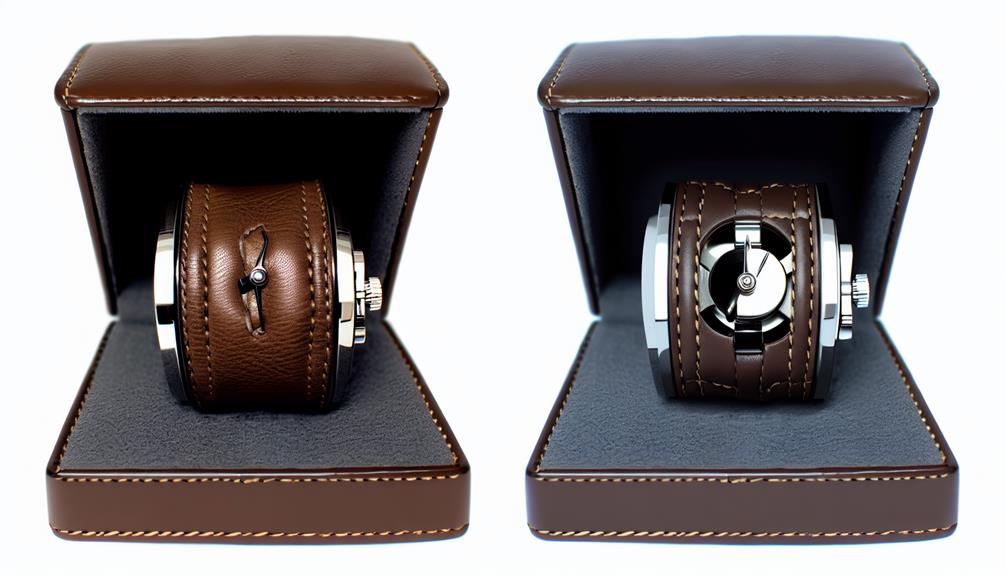
When it comes to dual watch winders, the materials used can significantly impact the price tag. Let's break down how material costs play a crucial role in determining the pricing differences:
- Luxurious Materials: Premium dual watch winders often boast high-end materials like exotic woods, carbon fiber, or deluxe leather. These fancy materials not only elevate the quality but also bump up the production costs, ultimately affecting the final price of the watch winder.
- Craftsmanship and Uniqueness: The choice of materials doesn't just influence the cost; it also affects the durability, visual appeal, and perceived luxury of the watch winder. Sophisticated finishes, intricate details, and distinctive designs crafted from top-notch materials enhance the exclusivity of the product, making it more desirable and valuable in the market.
- Market Appeal: Dual watch winders crafted from luxury materials command higher price tags due to the craftsmanship, quality, and exclusivity they bring. Customers are willing to splurge on products made from superior materials as they're associated with enhanced durability, elegance, and a status symbol.
In essence, the materials used in dual watch winders not only determine their quality but also shape their pricing, reflecting the craftsmanship, luxury, and market demand for these exquisite accessories.
Technology Influence on Pricing
When it comes to dual watch winders, the price is often driven up by top-notch motors from well-known brands in countries like Switzerland and Germany. These motors are known for their precision and long-lasting durability, which in turn significantly impacts the overall quality of the materials used.
The incorporation of advanced technology features, such as customizable rotation settings and silent operation, also plays a crucial role in determining the price tags of these watch winders. Brands that focus on innovation and enhancing user experience tend to command higher prices due to these cutting-edge features that add value to the product.
This means that if you're in the market for a dual watch winder, the inclusion of high-quality motors and advanced technology features can make them more appealing and ultimately pricier.
Material Quality Impact
When it comes to dual watch winders, the price tags are directly tied to the quality of the materials used. Premium options like organic wood and high-grade stainless steel can really drive up the cost. Let's break down how material quality influences the pricing:
- Top-notch Materials: Opting for organic wood or high-grade stainless steel can significantly bump up the price of dual watch winders.
- Tech Upgrades: Adding in cool tech features such as LED lighting or fingerprint sensors can also push up the overall cost of these watch winders.
- Durability and Functionality Boost: While the innovative materials and technology may increase the price, they also make the dual watch winders more durable and functional, which justifies the higher price tag.
In the end, you get what you pay for in terms of quality and features when it comes to these watch winders.
Brand Reputation Factor
When it comes to top-notch brands in the dual watch winder scene like Swiss Kubik and Orbita, they really push the envelope with their tech game, which explains the higher price tags. These brands have made a name for themselves by always staying ahead in the tech department. By focusing on innovation, they offer cool features like fancy winding systems, customizable settings, and top-notch craftsmanship that justify the premium cost.
Customers are willing to shell out more for the peace of mind that comes with these trusted brands' quality and reliability. The tech-driven approach of these companies not only amps up the functionality of their dual watch winders but also plays a big role in their pricing strategy, setting them apart as leaders in the market.
Design Complexity Analysis
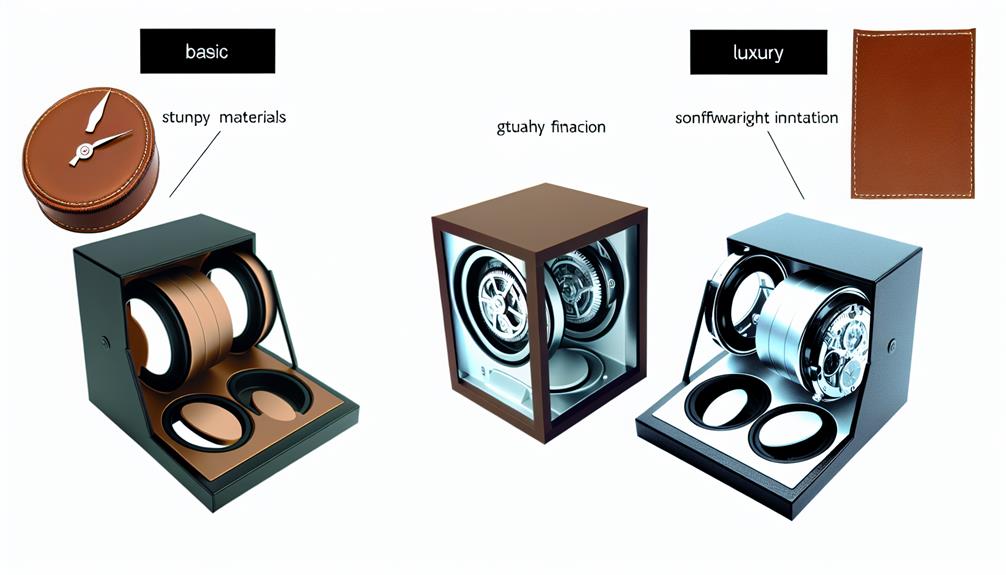
When it comes to dual watch winders, the intricacy of their design plays a significant role in determining their prices. Let's break down what factors contribute to the complexity of these watch winders:
- Number of Winding Mechanisms: The more advanced the design with multiple winding mechanisms, the higher the production costs. Dual watch winders that boast intricate winding systems for each watch tend to come with a heftier price tag due to the complexity involved in their design.
- Independent Motors and Rotation Settings: Dual watch winders that offer separate motors and rotation settings for each watch tend to be pricier. The design becomes more complex when individualized settings are needed for each watch, leading to a higher price point.
- Customized Features: Features like adjustable Turns Per Day (TPD) for each watch position add to the design complexity and consequently increase the overall price of the watch winder. These personalized features require precise engineering and intricate design elements, contributing to the elevated cost.
In essence, the more intricate the design of a dual watch winder, the more you can expect to pay for its craftsmanship and functionality. So, when considering a dual watch winder, keep these design complexities in mind to make an informed choice based on your preferences and budget.
Customization Options Overview
When you're looking into customizing your dual watch winder, it's all about the materials, design, and brand vibes.
The outer materials, like wood or leather, not only affect how it looks but also how long it lasts. Features such as LED lights and extra compartments add to its practicality, while different brands might offer fancy security features or cool customization options.
Material Options
When it comes to dual watch winders, the choice of materials is crucial for their longevity, style, and cost. Let's break it down in a more casual manner:
- Wood Vibes: Fancy woods like mahogany or oak give off a classy vibe, but they might need some extra TLC to keep looking sharp.
- Sleek Stainless Steel: Opting for stainless steel dual watch winders adds a modern touch and amps up the durability factor.
- Personalized Flair: Want to make it your own? Materials like leather and carbon fiber allow you to jazz up your dual watch winder to match your style, affecting both the overall aesthetics and price tag.
Design Choices
When it comes to customizing dual watch winders, the design choices really make a difference in how stylish and practical the product turns out. You have a range of options to personalize your watch winder, from choosing materials like wood, carbon fiber, or leather for the outside, to adding engraved details, picking different colors, and even including your own logos or monograms. These design features not only make your watch winder unique but can also affect the price, especially if you opt for more luxurious materials that can drive up the cost.
In addition to the exterior design, features like LED lighting, multiple rotation modes, and extra storage compartments not only add to the overall look but also enhance the functionality of the watch winder. The level of customization available lets you create a tailored solution that matches your personal style, but keep in mind that the more intricate your design choices, the higher the price tag.
Brand Influence
When it comes to dual watch winders and their pricing based on brand reputation and customization options, renowned names like Swiss Kubik, Benson, Orbita, and Paul Design stand out. These top-tier brands are known for offering a wide array of customization choices, which often come with a higher price tag due to their esteemed reputation in the market.
On the flip side, you can find cheaper alternatives on platforms like Amazon or AliExpress, but they mightn't offer as many customization features. These budget-friendly options lack the craftsmanship and prestige associated with the pricier brands, so their customization options tend to be more limited.
It's worth noting that Chinese brands often provide more affordable dual watch winders with basic customization features. This reflects how brand influence directly impacts the pricing differences you see in the market, showcasing the importance of a brand's reputation in this industry.
Manufacturing Location Significance
When it comes to dual watch winders, where they're made really impacts their price and quality. Swiss and German winders are known for top-notch craftsmanship, precise engineering, and high-quality materials, which all add up to a higher cost. On the flip side, Chinese-made winders are often more budget-friendly due to lower production and labor expenses, although they mightn't always match the quality of their European counterparts.
Beyond just where they're made, the motor inside these winders also plays a big role in how well they work and how long they last. Some countries make motors that are more reliable and efficient, which can affect the overall quality and price of the winder. So, the manufacturing country is a key factor in understanding why prices vary in the market.
Customers usually trust Swiss and German manufacturing for top-tier quality, precision, and reliability, which is why these products come with a higher price tag compared to those made elsewhere.
Pricing Factors Breakdown
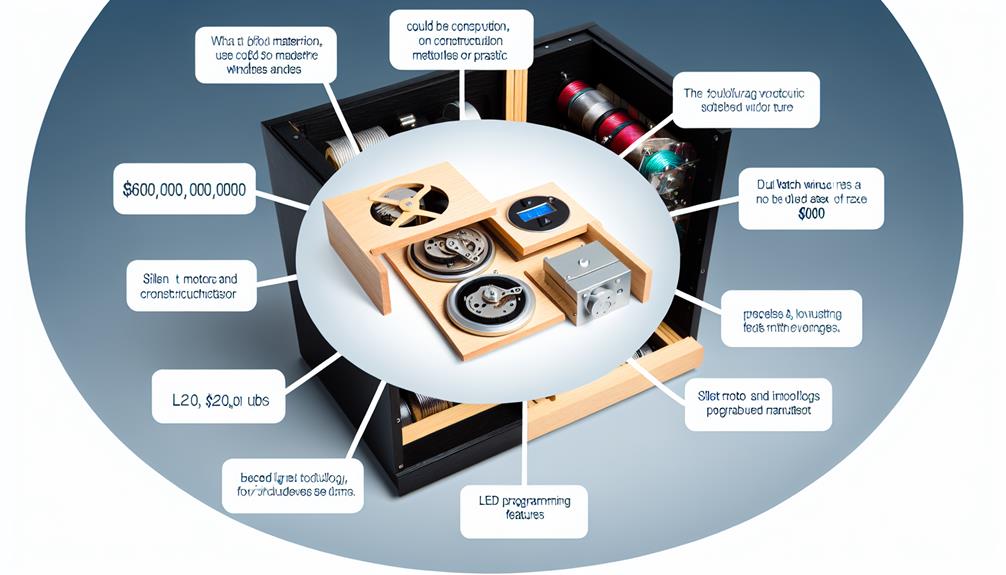
When it comes to pricing dual watch winders, there are several key factors that influence the cost variations in the market. Let's break it down in simpler terms:
- Brand Reputation and Popularity: Well-known brands that have a solid reputation tend to have higher prices. This is because people trust their quality and craftsmanship, which drives up the cost.
- Rotation Style and Extra Features: Watch winders that offer special rotation styles, adjustable settings, and added features like quiet operation or advanced programming will usually cost more than basic models.
- Material Quality and Design Complexity: The materials used and the complexity of the design impact the price. Premium materials such as high-grade woods, carbon fiber, or leather, along with intricate designs, all contribute to a higher price tag.
Considering these factors, it's clear that the price of dual watch winders is a mix of brand recognition, features, and the materials used in making them. By understanding these points, you can make informed decisions when choosing a dual watch winder that fits your needs and budget.
Comparative Price Analysis
When you dive into comparing prices of dual watch winders, it's like unraveling a mystery with many pieces affecting the cost puzzle. The difference in price tags for these gadgets boils down to a few key factors. High-end dual watch winders come with a heftier price tag due to their use of top-notch materials, expert craftsmanship, and advanced winding technology, ensuring your watches get the royal treatment they deserve.
On the flip side, cheaper dual watch winders might cut corners on durability, motor performance, and overall quality to keep the price low. Even the internal components' capacity, design, and where they come from play a role in the final price you see on the tag. Warranty coverage, customer service perks, and tech innovations also impact how much you'll pay for a dual watch winder.
Price Range Variation Factors

When it comes to dual watch winders, the price tags can vary based on a few key factors that really make a difference in what you're getting:
- Top-Notch Materials: The quality of the materials used like luxurious woods, real leather, and high-grade metals not only amps up the look of the winder but also boosts its durability and value, leading to higher costs.
- Intricate Mechanics: The complexity of the internal mechanisms such as the number of turns per day, the precision of the winding process, and added features like customizable rotations all play a role in the pricing. The more intricate the mechanisms, the higher the price due to the advanced engineering involved.
- Variety of Winders: You also have to consider the type of winder you're looking at. Whether it's a single winder, a double winder, or one that can handle multiple watches of different sizes and brands, the design and functionality will impact the price range.
Frequently Asked Questions
Are Expensive Watch Winders Worth It?
Let's dive into the world of watch winders and see if they're worth the investment. While pricier options may promise better quality, durability, and advanced features, they can be a smart choice for watch enthusiasts looking for top-notch performance and protection. It's like safeguarding your prized timepieces with a touch of luxury and innovation. So, if you're serious about your watches, a quality watch winder might just be the perfect accessory to keep them ticking perfectly.
Why Are Wolf Winders so Expensive?
Wolf winders may seem a bit pricey, but let's break down why. These sleek gadgets are crafted with top-notch materials, using cutting-edge technology for precise winding. Not to mention, their elegant design and patented features add to the allure. When it comes to reliability and performance, Wolf winders have a solid reputation. So, while they may come with a higher price tag, you're paying for quality and innovation.
What Should I Look for in an Automatic Watch Winder?
When you're looking for an automatic watch winder, think about what will work best for you. Look for options that let you set the turns per day (TPD) to fit your watch, a reliable motor that will last, two-way winding to keep things efficient, a reserve setting for personalized use, and top-notch mechanical parts for long-lasting performance. These features really boost how well your winder works and keep your watch in top shape.
How Long Should a Watch Winder Last?
If you want your watch winder to stick around for a good while, taking care of it is key. How long it lasts depends on how often you use it and the environment it's in. To ensure longevity, go for a sturdy, well-made winder. Cheaper options might not go the distance due to their lower-quality parts.