
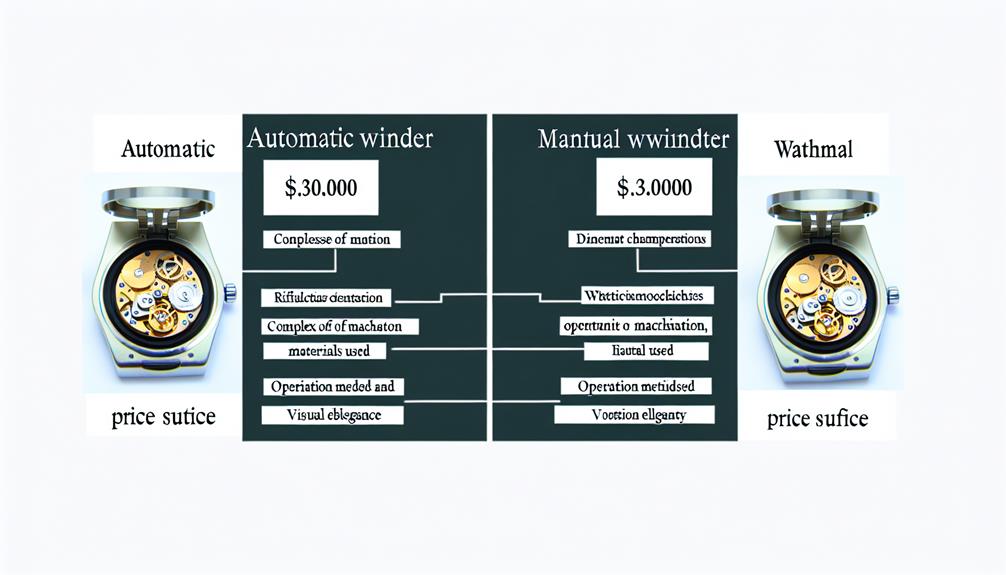
Ever thought about whether going for a manual watch winder really saves you more money in the long haul compared to an automatic one?
The ongoing debate on which one is more cost-effective, automatic or manual, delves into the initial investment versus long-term maintenance expenses.
Let's dive into the practicalities and economics of these two watch winder choices to help you make a well-informed decision based on your needs and financial considerations.
This comparison will shed light on the factors to consider before making a decision on which type of watch winder is the right choice for you.
Key Takeaways
When it comes to watch winders, you have two main options: manual and automatic. Let's break it down in simpler terms.
Manual winders are the budget-friendly choice, starting at around $20. On the other hand, automatic winders can set you back anywhere from $50 to over $1,000. So, if you're watching your wallet, keep these prices in mind.
Automatic winders come with fancy features and customization options, which might justify their higher price tags. But remember, long-term costs like maintenance and repairs should also factor into your decision.
In the end, whether you go manual or automatic, make sure to consider your budget and how much you're willing to invest in keeping your timepieces ticking smoothly.
Understanding Watch Winders
When you're diving into the world of watch winders, it's key to grasp how they work and why they're essential for keeping your automatic timepieces ticking smoothly. Watch winders are like little helpers for your automatic watches, mimicking the movement of your wrist to ensure they stay wound up. This continuous motion prevents your watch from coming to a halt when you're not wearing it for a while, which can happen if it's left stationary for too long.
If you've got a bunch of automatic watches in your collection, automatic watch winders are a real time-saver. They take the hassle out of manually winding each watch before putting it on, freeing you up to enjoy your timepieces without the extra effort. On the flip side, manual watch winders need you to wind up the watches yourself, which can be a bit of a chore, especially if you've got quite a few watches in rotation.
You'll find watch winders in all shapes and sizes, from single-watch winders to fancy modular options that can hold multiple watches at once. The more advanced ones come with cool features like customizable settings for the number of turns per day, the direction of winding, and rest periods between winding cycles. These customizable features let you tailor the winding process to suit the specific needs of each of your watches.
If you're a watch enthusiast like me, having the right watch winder can make a world of difference in keeping your collection ready to go whenever you are. Trust me, once you experience the convenience of a good watch winder, you'll wonder how you ever managed without one.
The Basics of Automatic Watch Winders
If you're a watch enthusiast with a variety of timepieces, automatic watch winders are your best friend. These nifty devices ensure your watches are always ready to wear by keeping them wound and ticking. Let's break down the basics in a more casual tone:
Ever wondered how automatic watch winders work? Well, they mimic the movement of your wrist to prevent your watch from stopping due to inactivity. It's like giving your timepieces a little workout to keep them running smoothly.
You can customize the turns per day on these winders to match the needs of each of your automatic watches. This way, each watch gets just the right amount of winding to stay in top shape.
Automatic watch winders come in all shapes and sizes to fit various watch collections. So whether you have a modest collection or a treasure trove of timepieces, there's a winder out there for you.
Some high-tech winders even offer cool features like customizable direction settings and sleep modes. These features help prevent overwinding and ensure your watches last for years to come.
The Basics of Manual Watch Winders
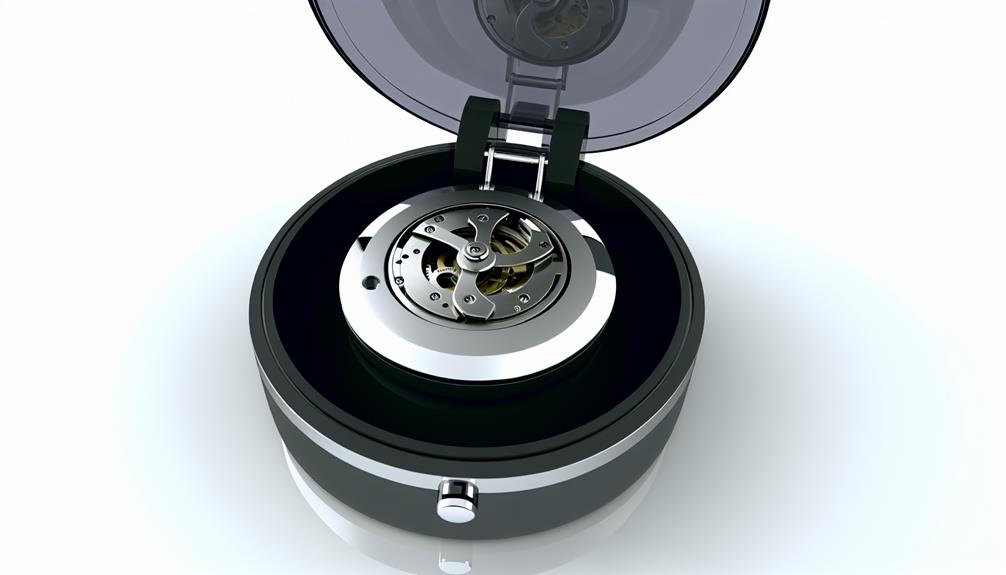
If you're into hand-wound mechanical watches that need a manual winding to tick, manual watch winders are your go-to. These winders skip the automatic rotation feature and require you to roll up the watch by twisting the crown yourself. It's a hands-on way to keep your timepiece ticking just right.
Let's break down the key differences between manual and automatic watch winders:
- Winding Mechanism: You manually wind a manual watch winder by turning the crown.
- Ideal For: Perfect for hand-wound watches.
- Cost: They're budget-friendly compared to automatic options.
Manual watch winders cater to those who enjoy the traditional charm of winding their watches themselves. They offer a simple and cost-effective way to keep your hand-wound watches in top shape without fancy automated systems. If you relish the personal touch of engaging directly with your watch and prefer a wallet-friendly option, a manual watch winder could be the perfect fit for you.
Initial Costs: Automatic Vs Manual
When it comes to comparing the costs of automatic versus manual watch winders, let's break it down in a more straightforward manner.
Automatic watch winders generally come with a heftier price tag, ranging from $50 to well over $1,000 depending on the bells and whistles they offer. On the flip side, manual watch winders are more wallet-friendly, starting at around $20 and going up to $200 for basic models.
The initial investment in a watch winder, be it automatic or manual, can vary widely based on the brand, features, and materials used. While automatic winders may cost more upfront, they often boast advanced features like various winding settings and rotation directions, catering to the needs of discerning watch enthusiasts.
Understanding these cost differences is key to making a smart choice based on your preferences and budget. So, whether you opt for the convenience of an automatic winder or the simplicity of a manual one, consider what aligns best with your needs and style.
Maintenance and Durability Costs
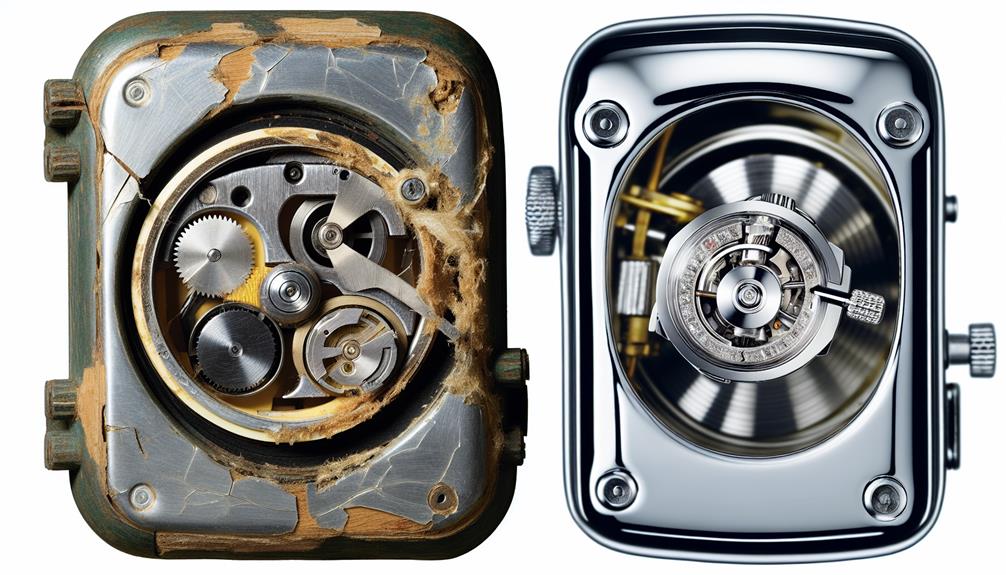
When it comes to automatic watch winders, they can be a bit pricier upfront than manual ones because of their fancy mechanisms and customizable settings.
You might also end up spending more on maintenance with automatic watch winders due to the need for regular servicing and potential repairs.
However, these automatic watch winders are built to last, thanks to their advanced features, which could justify the higher initial investment in the long run.
Repair Expenses Comparison
When it comes to comparing repair costs between automatic and manual watch winders, the expenses can vary significantly. Automatic watch winders, with their intricate winding mechanisms, often rack up higher repair bills due to the complexity involved. On the flip side, manual watch winders are renowned for their durability, leading to lower maintenance costs in the long run.
One key factor to consider is the frequency of servicing. Automatic watch winders typically demand more regular maintenance, which can add up over time and inflate repair expenses. In contrast, manual watch winders boast simpler mechanisms that are less prone to breakdowns, translating to lower repair costs over the years.
In essence, when focusing solely on repair expenses, manual watch winders emerge as the more cost-effective choice compared to automatic counterparts. So, if you're eyeing a watch winder that won't break the bank in the long haul, a manual option might be the way to go.
Longevity and Upkeep
When it comes to keeping your watches in top condition without breaking the bank, the frequency of maintenance is key. Automatic watch winders prove to be a wallet-friendly choice in the long run as they reduce wear and tear on the watch movement, leading to lower upkeep costs. On the flip side, manual watch winders might demand more frequent servicing and adjustments, potentially hiking up maintenance expenses over time. Here's a quick rundown of the differences between automatic and manual watch winders:
| Aspect | Automatic Watch Winders | Manual Watch Winders |
|---|---|---|
| Maintenance Frequency | Need less frequent servicing | Require more frequent servicing |
| Wear and Tear | Reduce strain on watch components with gentle movement | Could put additional stress on watch parts |
| Longevity of Timepiece | Preserve accuracy and durability of automatic watches | Might lead to higher maintenance costs in the long haul |
Evaluating Efficiency and Performance
When you're comparing automatic and manual watch winders for efficiency and performance, it's worth noting the difference in power consumption. Automatic winders tend to use more power since they operate continuously, while manual winders only need winding every now and then.
This variance plays a role in energy efficiency and overall effectiveness, depending on your preferences and how you care for your timepieces. It's like comparing a marathon runner to a sprinter – both have their strengths, but it ultimately comes down to what works best for you and your watches.
Winders: Automatic Vs. Manual
When you're comparing automatic and manual watch winders, it's important to consider their unique features and how they perform.
Automatic watch winders come packed with fancy options and customizable settings, perfect for those intricate winding needs. On the flip side, manual winders keep it simple and cost-effective, handling basic winding requirements without the bells and whistles.
If you have different watch models with specific winding needs, automatic winders let you tweak settings like turns per day to match each watch's requirements. Manual winders, on the other hand, offer a straightforward winding process for a more traditional and hassle-free experience.
Think about your watch collection's specific demands to decide if the advanced functions of automatic winders or the straightforward approach of manual winders suit you best, both in terms of performance and cost-effectiveness.
Power Efficiency Comparison
When it comes to winding your automatic watches efficiently while saving on energy costs, automatic watch winders are a game-changer. Unlike manual winders that require individual attention for each watch, automatic ones can wind multiple watches simultaneously, reducing overall power usage. This not only makes them cost-effective for watch collectors but also environmentally friendly.
The real magic lies in the programmable settings of automatic watch winders, allowing you to customize winding cycles based on each watch's specific needs. This optimization not only preserves the watches but also ensures minimal energy wastage. So, if you're looking for a practical and economical solution to maintain multiple automatic watches without breaking the bank on energy bills, automatic watch winders are the way to go.
In my experience, investing in automatic watch winders hasn't only simplified my watch maintenance routine but has also been a smart choice in terms of energy efficiency. It's like having a reliable assistant that keeps my watches in top condition without guzzling power unnecessarily. So, for anyone keen on keeping their watch collection in perfect shape while being mindful of energy consumption, automatic watch winders are a must-have.
Long-Term Investment Value
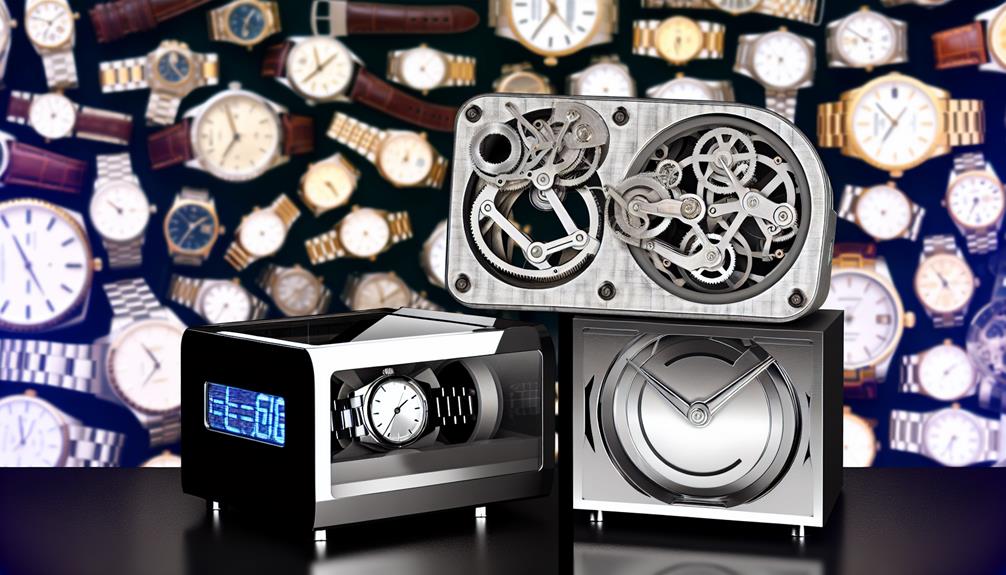
When it comes to choosing between manual and automatic watch winders for a long-term investment, simplicity and reliability often win over initial cost savings. Here are some key points to consider:
- Ease of Use and Dependability: Manual watch winders are known for their simple design and traditional winding method. This straightforward approach means fewer parts that could break down over time, resulting in lower maintenance costs and a longer lifespan.
- Maintenance and Repairs: Automatic watch winders, with their high-tech features, may need more frequent maintenance to keep them running smoothly. This could lead to higher costs in the long run compared to manual winders, which have fewer potential issues.
- Customization Features: While automatic watch winders offer various settings to suit different watch models, these extras come at a price. If you don't require advanced features, opting for a manual winder might be a more economical choice in the long term.
- Total Cost Assessment: To determine the most cost-effective option for your specific needs, consider the initial investment, maintenance expenses, and desired features. By carefully evaluating these factors, you can make an informed decision that maximizes the value of your watch winder over time.
Comparing Watch Winder Costs
When you're looking at watch winders, it's important to consider the costs and what you're getting for your money. Automatic watch winders are usually pricier than manual ones because of the extra technology and features they offer. The brand you choose can also affect the price, with well-known brands often charging more for their products.
Investing in a quality automatic watch winder comes with perks like advanced settings and customization options. These features come at a higher cost but can be a real plus for watch enthusiasts who want precise control over how their timepieces are wound. On the flip side, manual watch winders are typically more affordable, making them a good choice for those seeking a straightforward winding solution without extra bells and whistles.
When thinking about the overall price of a watch winder, it's smart to consider the long-term expenses. While automatic winders may require a bigger upfront investment, they can offer better protection for your watch, potentially saving you money on maintenance and repairs down the line. Ultimately, whether you go for an automatic or manual watch winder depends on your budget, preferences, and how much you value the convenience and features each type offers.
Frequently Asked Questions
Is It Better to Keep an Automatic Watch on a Watch Winder?
Are you considering whether to use a watch winder for your automatic timepiece? It's a wise move! A watch winder helps keep your watch ticking smoothly, ensures it's always ready to put on, and can even prolong its lifespan. It's like having a personal assistant for your watch that ensures it's always in top shape and ready to accompany you on your daily adventures.
What Are the Advantages of Manual Winding Watches?
When you wind a manual watch, you get to interact directly with its inner workings, really getting to know its ins and outs. This hands-on process adds a personal touch, creating a stronger bond with your timepiece. It's a tactile journey that many find truly fulfilling.
Why Are Manual Watches More Expensive Than Automatic?
When it comes to manual watches, craftsmanship takes the spotlight. The higher price tags reflect the meticulous hand assembly, precise adjustments, and the sense of exclusivity they offer. It's all about specialized skills, limited artisans, and that touch of rarity that sets them apart from their automatic counterparts.
Is Manual Winding Better Than Automatic?
When it comes to winding your watch, you've got two main options: manual or automatic. Manual winding lets you connect with your timepiece on a more hands-on level, while automatic winding offers convenience. The choice between the two really boils down to your personal style and how you live your life. It's all about what suits you best and makes your watch experience more enjoyable.