
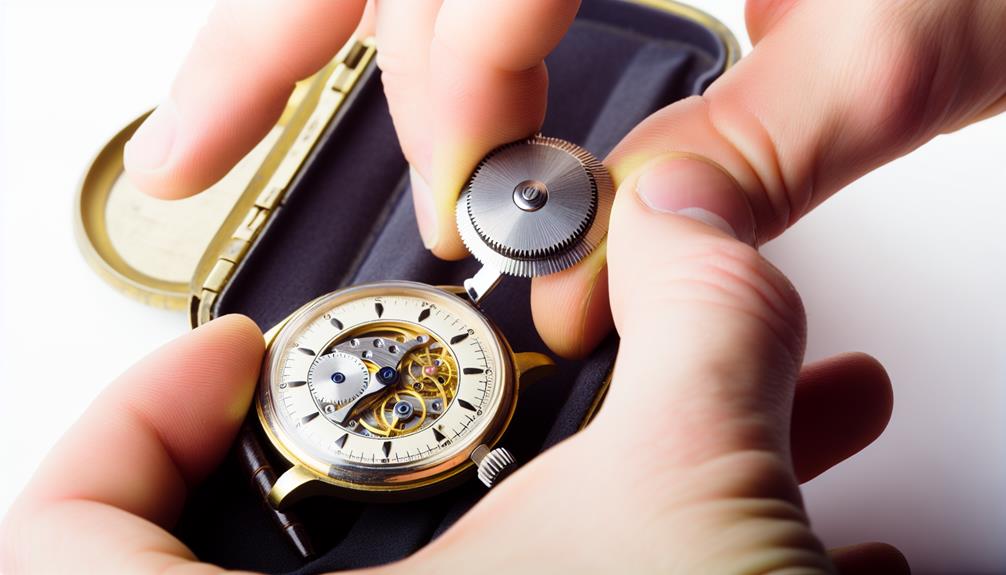
So, you've got this amazing vintage timepiece, like a classic Omega Seamaster, right? And maybe you're wondering why manual winders are all the rage compared to automatic ones.
Well, here's the deal: manual winders bring you closer to your watch, creating a special bond with each winding session. It's like a moment to really appreciate the craftsmanship and history packed into that timepiece.
But hey, it's not just about the warm fuzzies; manual winding actually helps your vintage watch last longer and preserves its authenticity. If you're into horology, this is a choice that's totally worth checking out.
It's not just about sentimentality; it's about taking care of something special and unique.
Key Takeaways
If you've got a vintage watch, manual winding is the way to go. Why? Well, it's like giving your watch a gentle hug rather than a rough shake. This method keeps those delicate vintage parts in top-notch shape for longer. Plus, manual winding lets you tailor the care to your watch's needs, kind of like a bespoke suit but for timepieces. And the best part? It's a cost-effective way to ensure your vintage watch stays ticking for years to come. So, give manual winding a try and see the difference it makes for your cherished timepiece.
Understanding Vintage Watches
Vintage watches have this incredible charm that draws in enthusiasts from all walks of life. The intricate gears and springs, the stories behind each piece, and the sheer craftsmanship make them irresistible to those who appreciate the artistry and history woven into these timepieces, some of which were crafted over 20-30 years ago.
What sets vintage watches apart is their manual winding mechanism. Unlike modern watches that rely on batteries or automatic movements, vintage beauties require a personal touch to keep them ticking accurately. You get to wind them up using the crown, maintaining the tension in the mainspring and ensuring the watch runs smoothly. It's like having a direct connection to the heart of the watch, adding a nostalgic touch and a deeper appreciation for the traditional watchmaking techniques of yesteryears.
The act of manually winding a vintage watch isn't just about functionality; it's a ritual, a daily engagement with a piece of history. Enthusiasts revel in this hands-on approach, feeling a sense of pride and connection as they interact with the intricate craftsmanship inside the watch case. It's like breathing life into a piece of art every day.
For collectors and aficionados, delving into the world of manual winding and understanding the historical significance of vintage watches adds a whole new dimension to their passion. Beyond just telling time, these timepieces tell stories. They carry with them a sense of uniqueness and character that's hard to find in modern mass-produced watches. Each vintage watch is a treasure trove of history and craftsmanship waiting to be explored and appreciated.
The Basics of Manual Winders
When it comes to vintage timepieces and their manual winders, it's all about connecting with the craftsmanship and tradition that powers these mechanical wonders. Manual winders are like the heartbeats of manual watches, needing a personal touch through regular hand winding to keep them ticking. This hands-on ritual not only ensures the watch stays alive but also deepens your bond with it.
Let's break down the key aspects of manual winders in a more relatable way:
- Powering Connection: Manual winders rely on your hand's movement to keep the watch running, creating a unique bond between you and the timepiece.
- Nostalgic Charm: Using a manual winder is like stepping back in time, evoking the artistry and history of watchmaking.
- Vintage Vitality: For older watches without automatic winding, manual winders are the lifeline to keeping them going.
- Hands-On Care: By physically winding your watch, you actively engage in maintaining its power reserve and ensuring its longevity.
Understanding these basics not only keeps your vintage watch in top shape but also enriches your experience with these intricate mechanical marvels. It's like having a conversation with time itself, each winding session a reminder of the craftsmanship and care that goes into every tick and tock.
The Basics of Automatic Winders
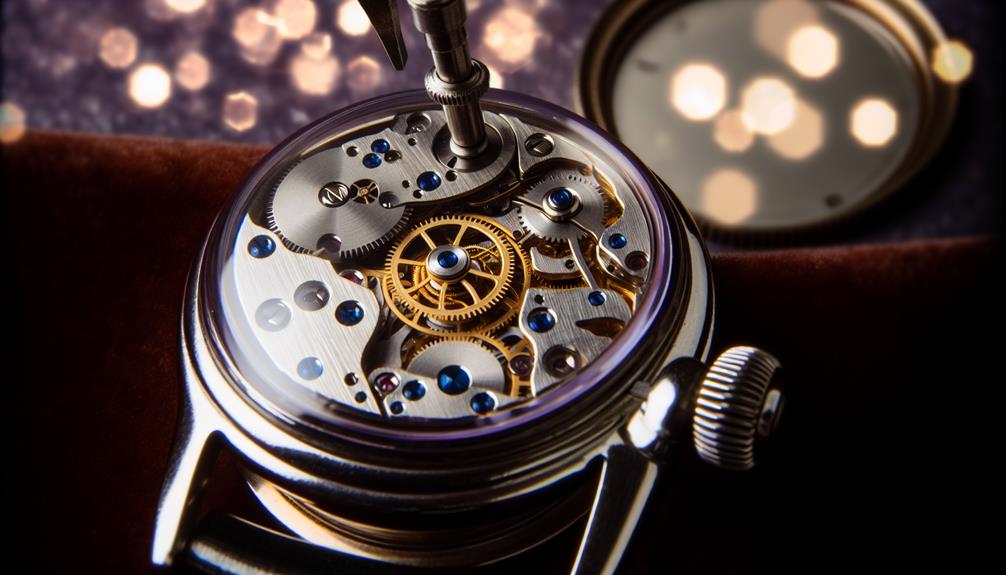
Automatic watch winders are like little caretakers for your timepiece, giving it the gentle nudge it needs to stay ticking perfectly. Here's the lowdown on these wizardry devices:
- No More Overwinding Worries: These clever gadgets come equipped with fail-safe mechanisms to ensure your watch gets just the right amount of winding, no more, no less. So, no need to fret about damaging your prized possession.
- Tailored Just for You: The beauty of automatic watch winders lies in their customizable settings. You can tweak the rotation direction and turns per day to match your watch's unique needs. It's like giving your watch a personalized workout routine.
- Vintage Watches Rejoice: If you're a vintage watch aficionado, these winders are your best pals. They keep your timeless pieces accurate and happy without the hassle of manual winding, preserving their charm for years to come.
- Gentle Care for Delicate Parts: By keeping your automatic watch in motion, these winders delicately handle the inner workings, ensuring your vintage beauties stay in top-notch condition. It's like a spa day for your watch.
Knowing the ins and outs of automatic watch winders can be a game-changer for watch enthusiasts, especially those looking to keep their vintage darlings ticking smoothly for generations to come.
Key Considerations When Choosing a Winder
When picking out a winder for your vintage watch, it's crucial to match the winding frequency to your watch's specific needs. This ensures you're not overwinding or underwinding, which could harm your timepiece.
Make sure the winder is compatible with your watch's movements to keep it running smoothly and in top shape. Look for features that offer gentle and consistent winding to protect the delicate components of your vintage watch in the long run.
It's like giving your watch a personalized care routine to maintain its beauty and functionality for years to come.
Winding Frequency Importance
When it comes to keeping your vintage timepiece in top shape and running smoothly, choosing the right winder is key. Here's what you need to know:
- Vintage watches often need to be wound daily to keep accurate time.
- Some delicate vintage movements do best with manual winding to avoid any potential damage.
- Manual winding gives you a hands-on way to care for your cherished timepiece.
- Knowing the specific winding requirements of your watch helps you pick a manual winder that suits it perfectly.
Compatibility With Watches
When it comes to finding the right watch winder for your vintage timepiece, you need to consider a few key things to keep your watch safe and sound. Make sure the winder matches the way your watch needs to be wound and how many turns per day it requires. Look for options that let you adjust the winding direction and turns per day to fit your watch perfectly. Check that the cushion inside is the right size and won't put too much pressure on your watch. Choose a winder with a strong motor and sturdy build to give your watch a gentle and consistent winding without any harm.
| Key Tips | Details |
|---|---|
| Movement Compatibility | Check if it matches winding directions and turns per day |
| Cushion Fit | Ensure a snug fit without excess pressure |
| Customizable Settings | Look for bi-directional winding and adjustable TPD |
| Durability | Opt for a reliable motor and robust construction |
Long-Term Maintenance Benefits
When it comes to winding up your vintage timepiece, using manual winders is the way to go for a gentle and controlled touch. This method helps protect the delicate inner workings of your watch from unnecessary wear and tear, ensuring its longevity.
Here's why opting for manual winding is a smart choice for your vintage watch:
- Less Strain, More Preservation: Manual winding puts less stress on the vintage parts, reducing the risk of premature damage.
- Maintaining Authenticity: By sticking to manual winding, you can keep the historical charm and originality of your timepiece intact.
- Handle with Care: Manual winders enable you to handle your watch with precision, guaranteeing its careful maintenance over time.
- Fewer Repairs, More Enjoyment: Choosing manual winding can cut down on the need for frequent repairs or replacements, allowing you to enjoy your vintage watch hassle-free.
Maintenance of Manual Vs Automatic Winders
When you're looking at keeping your vintage timepieces ticking, the choice between manual and automatic winders comes into play.
Manual winders need more frequent winding to keep your watch on time, while automatic winders do the job for you with their self-winding feature.
The intricate workings of automatic winders might require extra TLC over time compared to the simpler manual ones, affecting how long your timepiece lasts.
Winding Frequency Differences
When it comes to taking care of vintage timepieces, knowing how manual and automatic winders differ in maintaining winding frequency is key to keeping these beloved watches in top condition. Here's the lowdown:
- Manual Winders: With manual winders, you can create personalized winding schedules tailored to fit the specific needs of each vintage watch.
- Automatic Watches: Automatic watches may not give you the same level of control over winding intervals as manual winders do.
- Vintage Timepieces: Vintage watches often thrive on gentle and controlled winding, which is easier to achieve with manual winders.
- Winding Frequency: Adjusting the winding frequency as required ensures that your vintage timepieces receive the proper care and maintenance they deserve.
Mechanism Complexity Contrasts
When it comes to taking care of vintage timepieces, the difference between manual winders and automatic winders is crucial.
Manual winders have simpler mechanisms with fewer moving parts, which means less chance of running into maintenance issues. On the flip side, automatic winders come with intricate rotor systems that might need more frequent upkeep to ensure they work properly.
The uncomplicated nature of manual winders makes them a breeze to maintain and fix, providing a straightforward way to keep vintage watches in top-notch condition. In contrast, the complex internal components of automatic winders can lead to higher maintenance costs over time due to increased wear and tear.
Opting for manual winders can be a cost-effective and dependable choice for the long-term care and preservation of your timepiece's integrity.
Long-Term Durability Assessments
When it comes to keeping vintage timepieces in top shape, manual winders offer a hands-on approach that can make a real difference. I've found that opting for manual winding instead of automatic winders can really pay off in the long run.
Here's why manual winding is a great choice for maintaining the longevity of delicate vintage watches:
- Precision Control: With manual winding, you have complete control over how much you wind your timepiece. This precision helps to minimize wear and tear on its delicate components.
- Less Wear and Tear: Unlike automatic winders that can put constant stress on vintage movements, manual winding is gentler and can help preserve the watch's mechanisms for longer.
- Gentle Care: Vintage timepieces have intricate movements that benefit from the careful touch of manual winding. It's like giving your watch a personalized spa treatment.
- Personal Touch: By opting for manual winding, you're investing time and care into preserving the integrity of your vintage watch. It's a personal touch that can keep your timepiece ticking for years to come.
In my experience, manual winding isn't just a maintenance task; it's a way to connect with the craftsmanship of these beautiful timepieces and ensure they remain in top condition for generations to come.
Functionality and Efficiency: Manual Vs Automatic
When it comes to keeping vintage timepieces in top shape, understanding the difference between manual and automatic winders is key. Manual winders give you a hands-on way to wind up your vintage watches, offering a more personalized touch compared to automatic ones. This hands-on approach is gentle on the delicate mechanisms inside vintage watches, reducing the risk of damage and helping them last longer.
Automatic winders, while convenient, may not always be the best choice for older watches with specific needs. They mightn't provide the same level of care and precision as manual winding, which is crucial for maintaining the integrity of vintage timepieces. Opting for manual winding ensures your watches get the tailored attention they deserve, preserving their authenticity for years to come.
Frequently Asked Questions
Do I Really Need an Automatic Watch Winder?
If you've got vintage timepieces that you cherish, having an automatic watch winder is a game-changer. It's like having a personal assistant for your watches, making sure they stay ticking smoothly. This nifty device keeps your watches wound up, saves you from manual winding, and protects the delicate insides of your timepieces. Trust me, if you want your vintage beauties to stay in top shape effortlessly, an automatic winder is a must-have.
What Are the Negatives of a Watch Winder?
If you're a watch enthusiast like me, you might want to think twice before overusing a watch winder. It can speed up wear and tear, cause lubrication to break down sooner, and put strain on the delicate inner workings of vintage timepieces. Some older watches just aren't designed to be wound constantly, risking damage to their intricate movements. It's like asking your grandma to run a marathon - not a good idea! So, take it easy on the winder and give your watches the care they deserve.
Why Buy a Manual Wind Watch?
When you opt for a vintage timepiece, going for a manual wind watch can really connect you to history and the artistry behind it. There's something special about winding it up every day, creating a stronger bond with your cherished horological piece. It's like having a daily ritual that deepens your appreciation for this timeless treasure.
Is It OK to Leave an Automatic Watch in a Winder?
So, if you've got an automatic watch, using a winder can be pretty handy. It keeps your watch moving consistently, so it doesn't stop on you. Plus, it helps with internal lubrication, prevents those annoying time and date resets, and works well for watches that need to keep running. Just make sure to pick the right turns per day (TPD) settings to match how your wrist moves, which helps the winder wind up your watch efficiently.